Independent England hotel guides
Best hotels in England
Choose the right English destination first, then the right hotel. Compare city breaks, coast, countryside and national-park stays by trip type, transport and real booking trade-offs.
8 destinations compared8 representative stays
Last reviewed
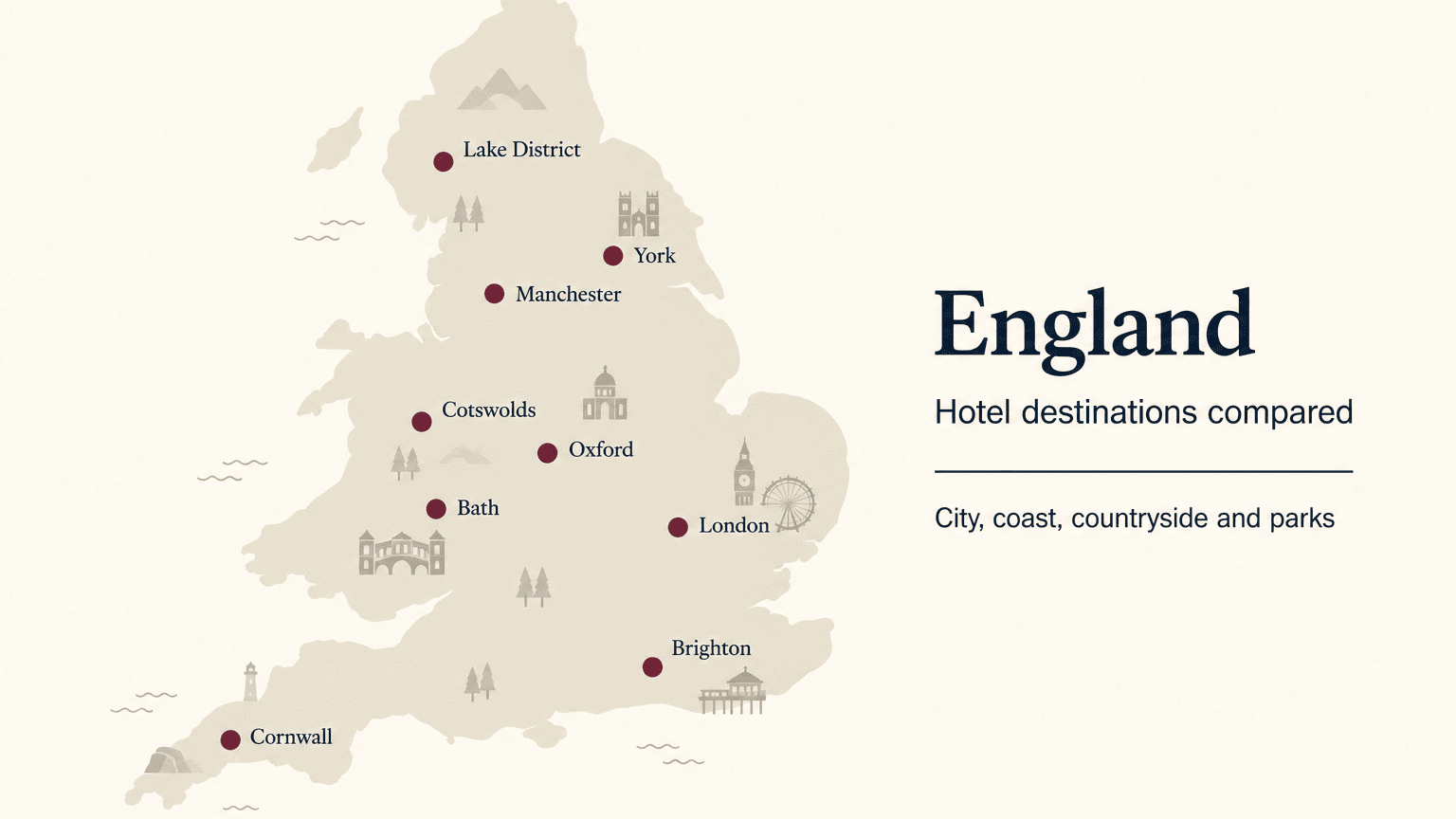
Illustrated map of England marking the hotel destinations compared on this page.
Image: BestUKHotels.com. Rights holder: BestUKHotels.com. Original work for this site. Original editorial illustration created for BestUKHotels.com
Quick answer
Quick answer
England’s best hotel base depends on the trip. London is the strongest all-round choice for a first visit; choose the Lake District for walking and scenery, Bath or York for a historic short break, the Cotswolds for country-house hotels, Cornwall for the coast, Manchester for music and football, and Brighton for a seaside weekend that works well without a car.
In short
- Best for a first visit
- London
- Best for lakes, fells and outdoor time
- Lake District
- Best historic city breaks without a car
- York or Bath
- Best for country-house and spa stays
- Cotswolds
- Best for a longer coastal break
- Cornwall
- Best for music, football and nightlife
- Manchester
- Best rail-friendly seaside break
- Brighton
How to choose an England hotel base
England is not one hotel market. London, York, Bath, the Cotswolds, Cornwall and the Lake District solve different trips, so the same “best hotel” shortlist rarely travels well from one to the next.
Choose the destination, a realistic base and a transport plan before comparing star ratings. A well-located three-star with a usable room can beat a higher-rated hotel that forces repeated cross-city journeys.
In cities, a central location is often better value than a cheaper room that needs taxis or long tube rides for every outing. Bath, York, Manchester and Brighton are the easier short car-free breaks among the places compared here.
Rural England is different: check the final bus, boat, taxi or driving connection in both directions, including the last evening service. “Family-friendly” is not enough—confirm true room occupancy, children’s ages, cots, extra beds and connecting-room rules for your party. “Spa hotel” does not automatically mean a resident pool or thermal access.
Compare before you book
England destination comparison
England hotel destinations compared by trip type, car-free fit, suggested stay and main hotel decision
Scroll sideways on smaller screens to see every column.
| Destination | Best for | Car-free fit | Suggested stay | Main hotel decision |
|---|---|---|---|---|
| London | First visits, culture, theatre, business and onward rail | Excellent | 3–5 nights | Choose the area before the hotel; balance walkability, station access, room size and cooling |
| Lake District | Walking, scenery, family outdoor time and romantic escapes | Possible with planning | 2–4 nights | Choose a base and transport plan; lakeside isolation and car-free access rarely come together perfectly |
| Bath | Architecture, spa history and romantic weekends | Excellent | 1–2 nights | Compare central Georgian character with parking, lifts, stairs and room access |
| York | Rail-friendly heritage, food and short breaks | Excellent | 1–2 nights | Decide between station convenience and the atmosphere inside or near the historic centre |
| Cotswolds | Country-house hotels, spas, villages and slower stays | Limited outside selected towns | 2–3 nights | Hotel facilities may matter more than village sightseeing; verify dining and transport before arrival |
| Cornwall | Beaches, surfing, family holidays and coastal walks | Mixed | 3–5 nights | Choose the coast and town first; check transfers, parking, weather alternatives and family-room layout |
| Manchester | Music, football, events, food and urban weekends | Excellent | 1–2 nights | Match the hotel to the venue or station; consider late-night noise and event-driven demand |
| Brighton | Seaside, nightlife and an easy break from London | Excellent | 1–2 nights | Compare sea views and seafront atmosphere with quieter streets, parking and weekend noise |
Start with published guides
Published England destination guides
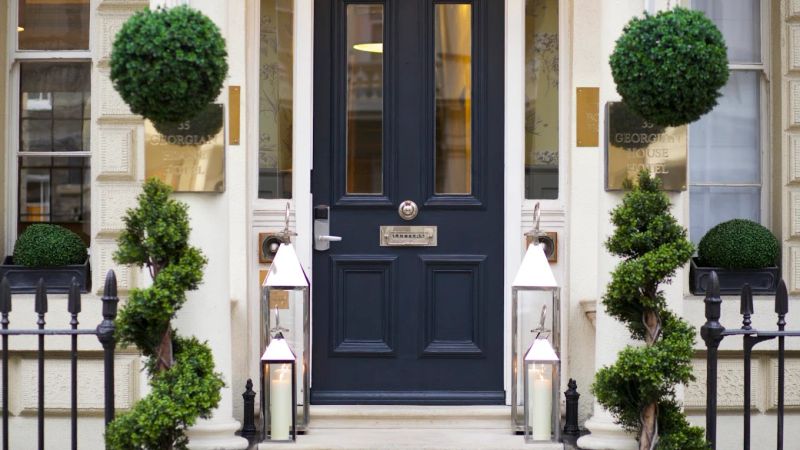
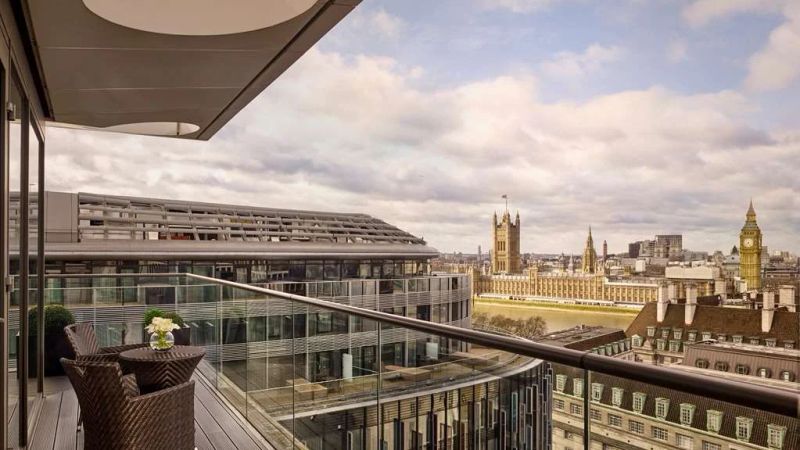
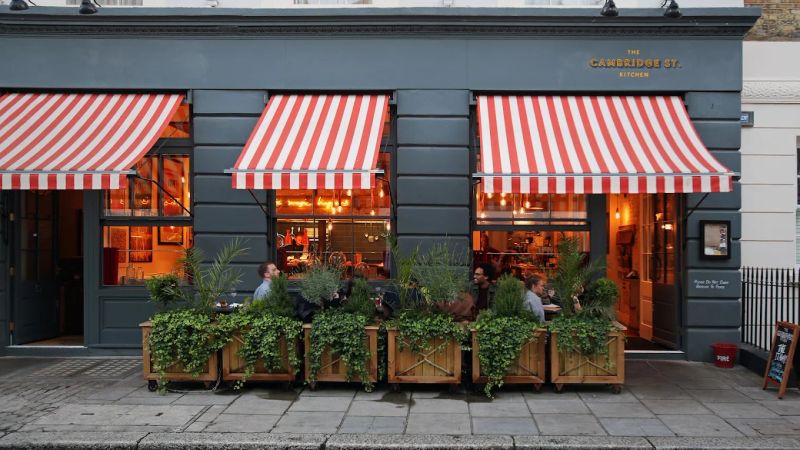
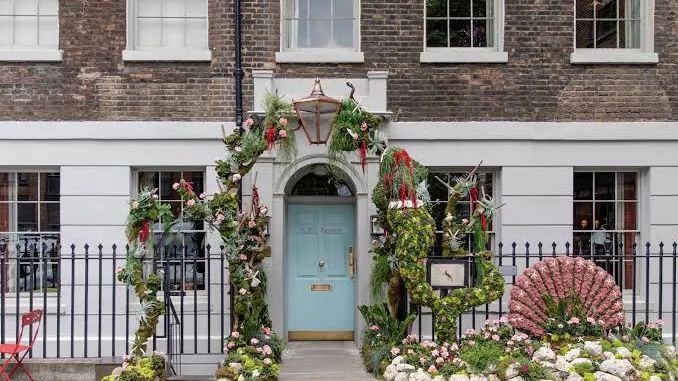
London
London is the most useful first base in England. The right area depends on sightseeing, museums, business, nightlife, family attractions and onward rail—not on a single “best neighbourhood”.
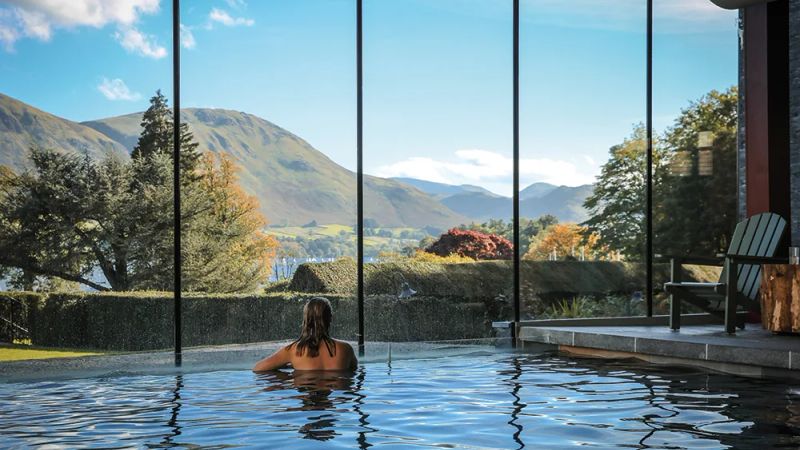
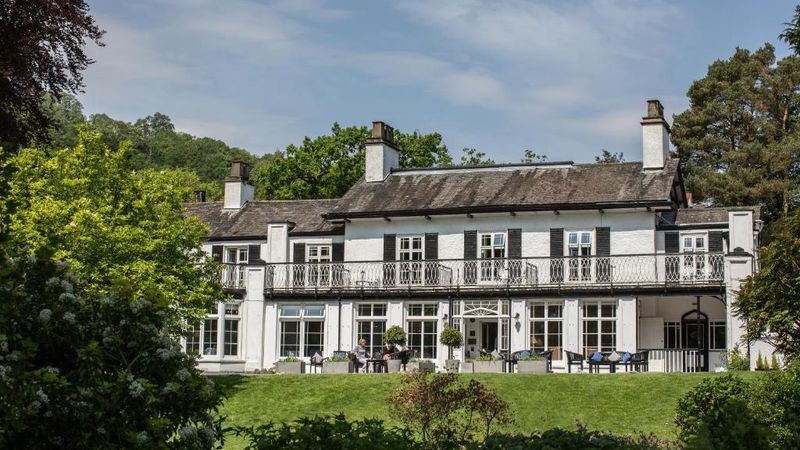
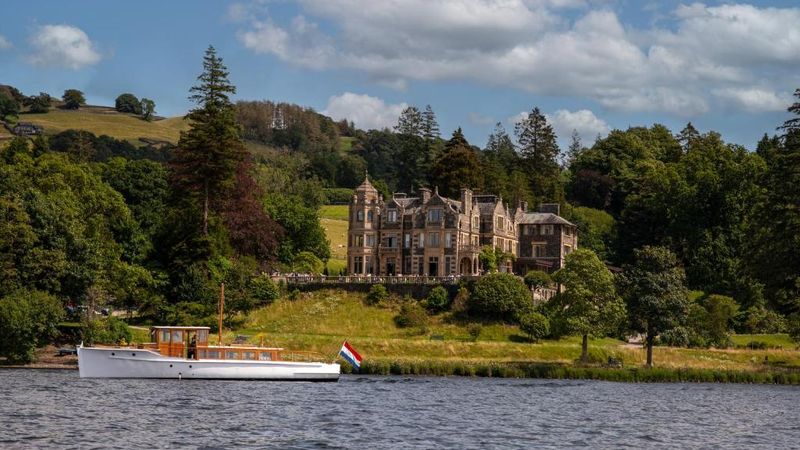

Lake District
The Lake District is dispersed, so the base matters as much as the hotel. Windermere and Bowness, Ambleside, Keswick and Ullswater suit different itineraries and transport plans; lakeside isolation and car-free access rarely line up perfectly.

Bath
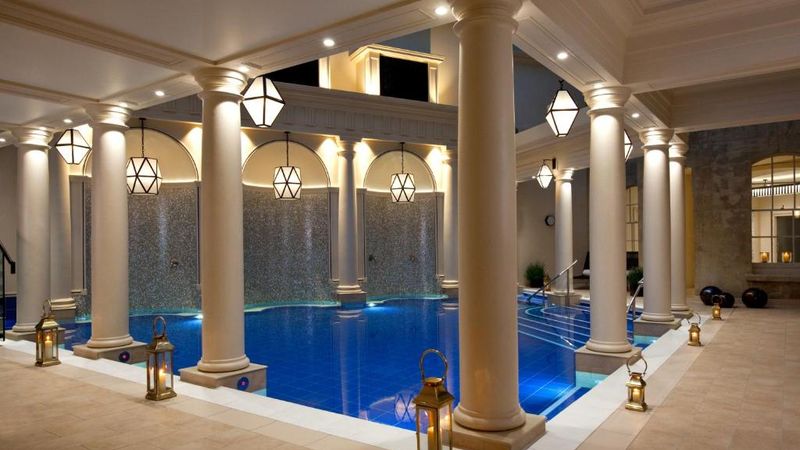
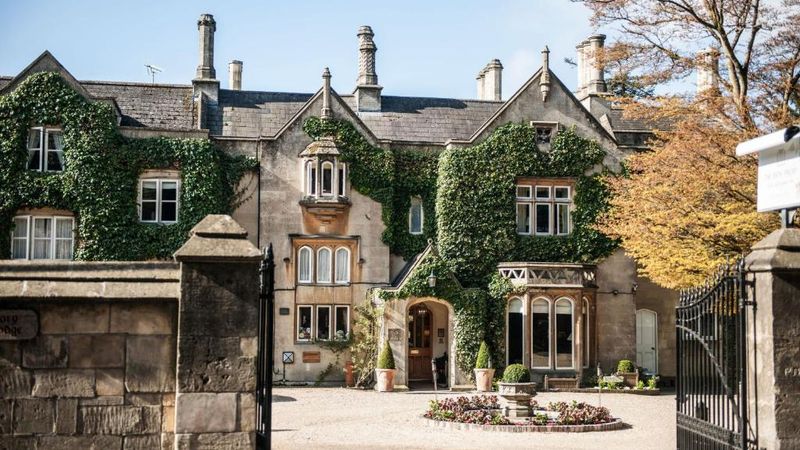
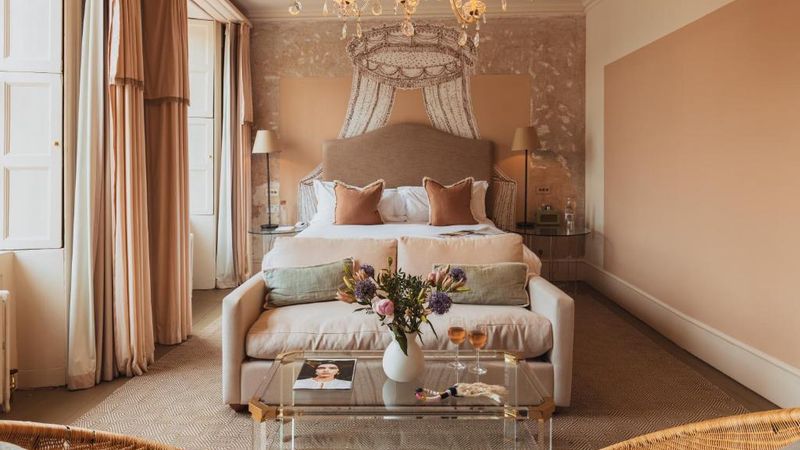
Bath is a compact heritage city where the main hotel decision is between thermal-spa access, landmark Georgian character, independent dining and the practicalities of stairs, parking and room layout.
York
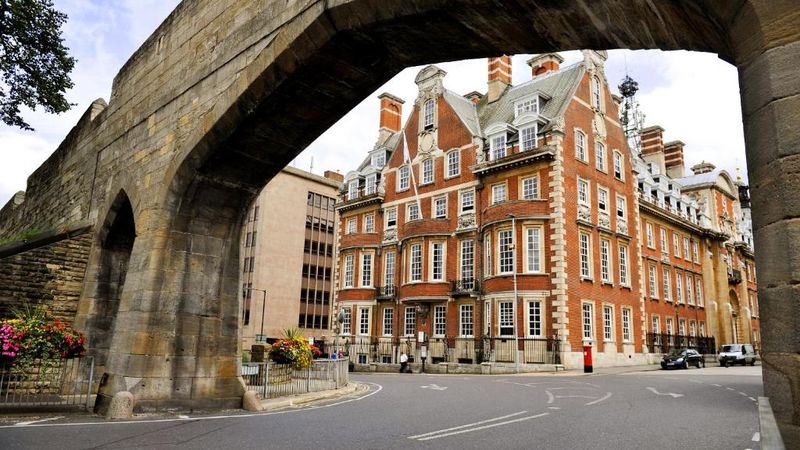
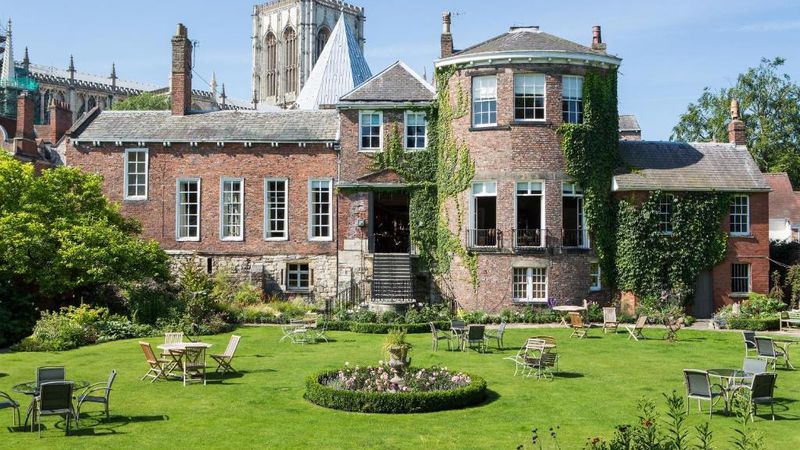
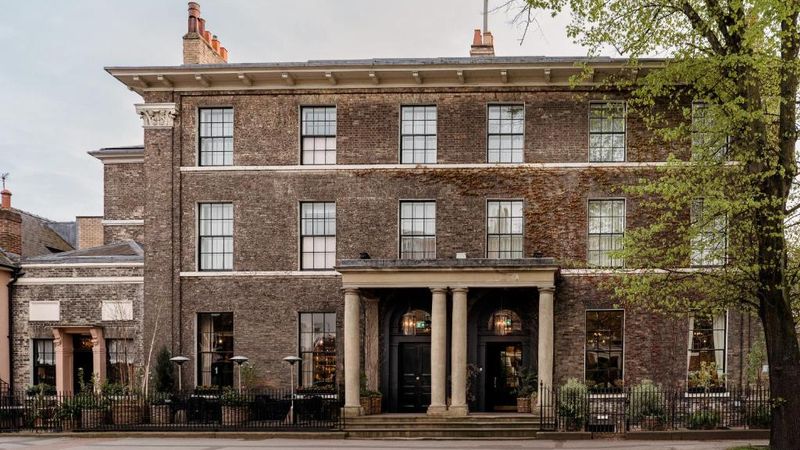
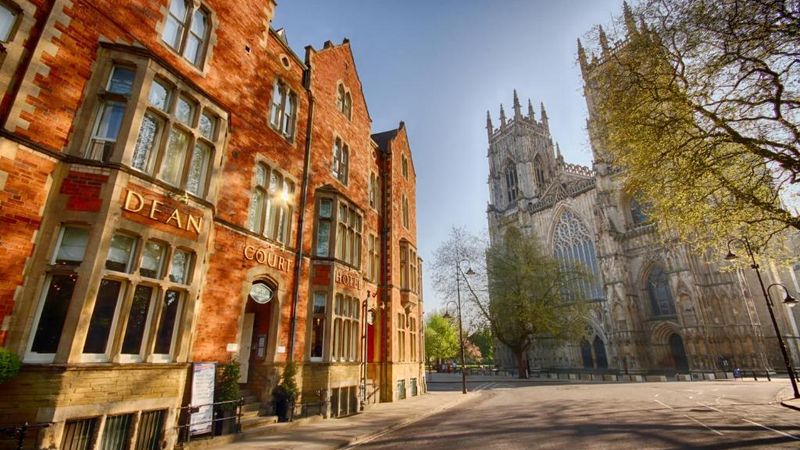
York is compact and rail-friendly, but the best base changes between Minster atmosphere, station convenience, quieter Bootham townhouses and practical hotels near Piccadilly.

Brighton
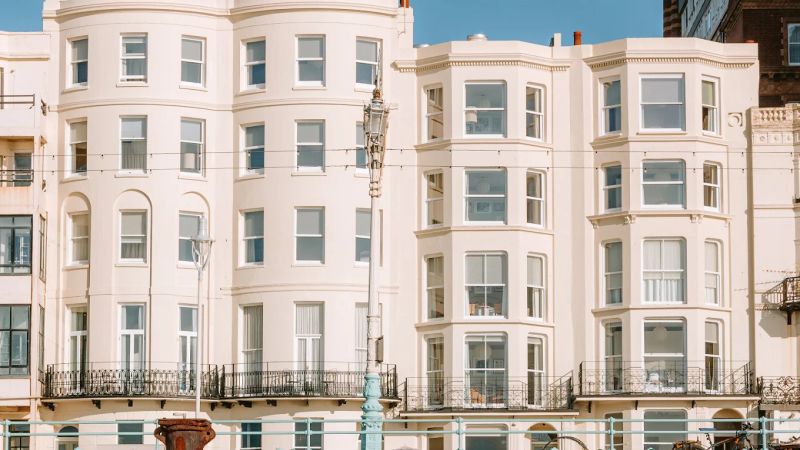
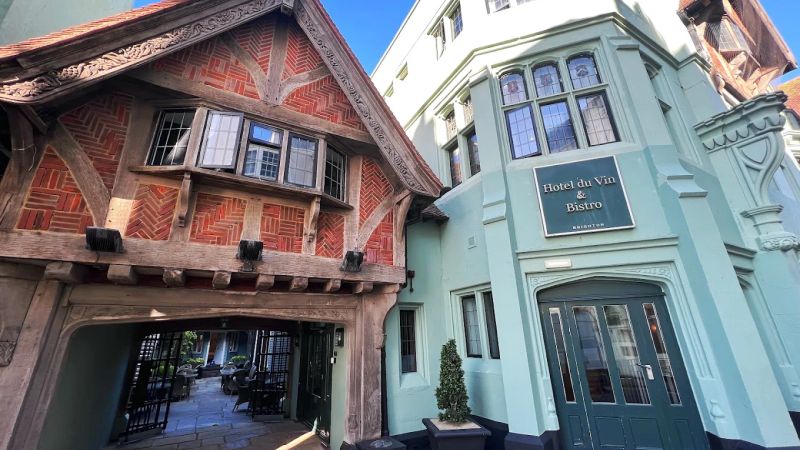
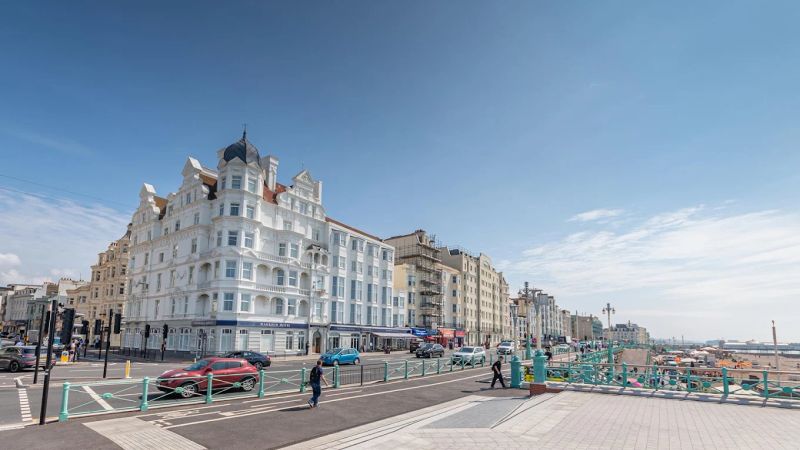
Brighton is a compact rail-friendly seaside break where the real hotel decision is between beach-at-the-door atmosphere, The Lanes, Kemptown character and the easiest station arrival.

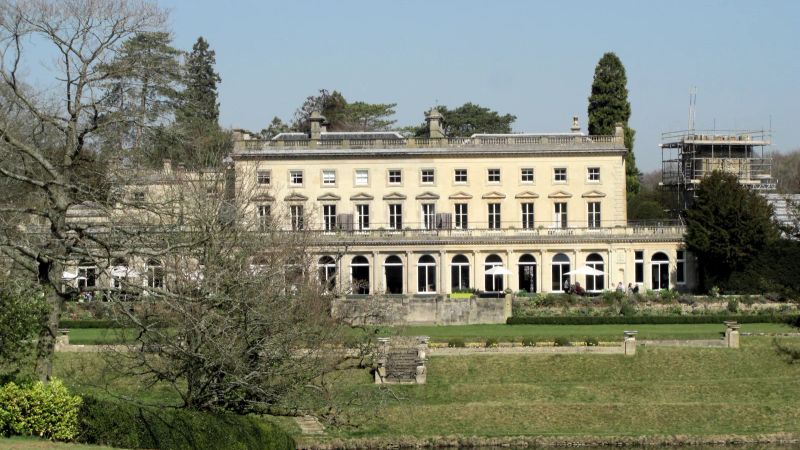
Cotswolds
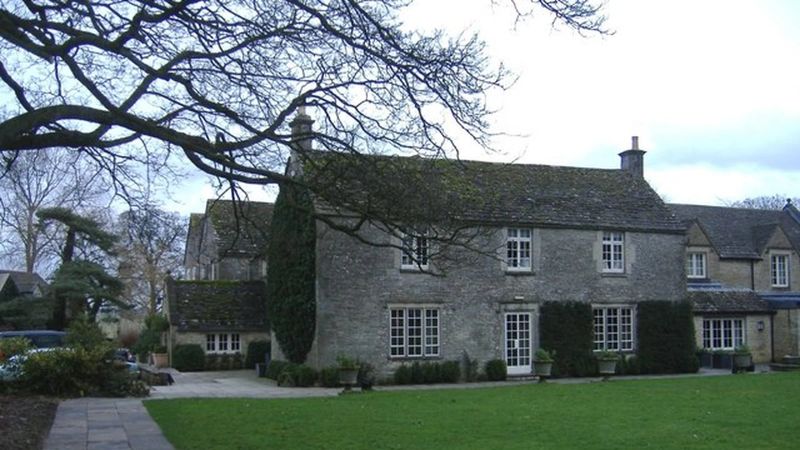
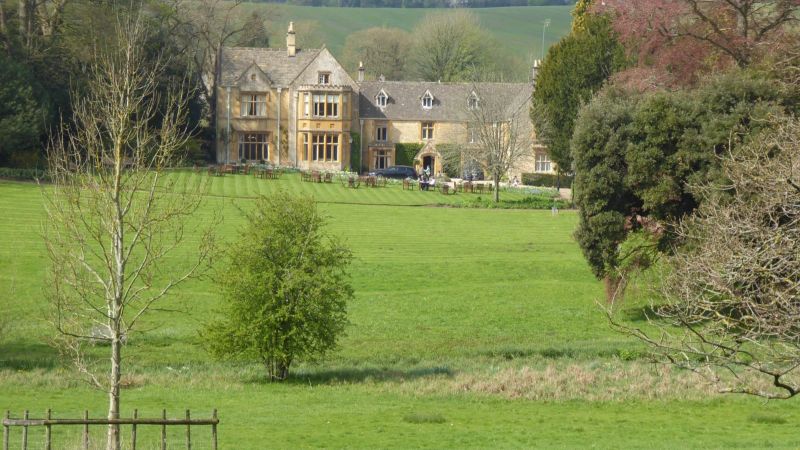
Compare six distinctive Cotswolds hotels for village access, family facilities, spas, dining and golf, with honest advice on driving, rail gateways and room choice.
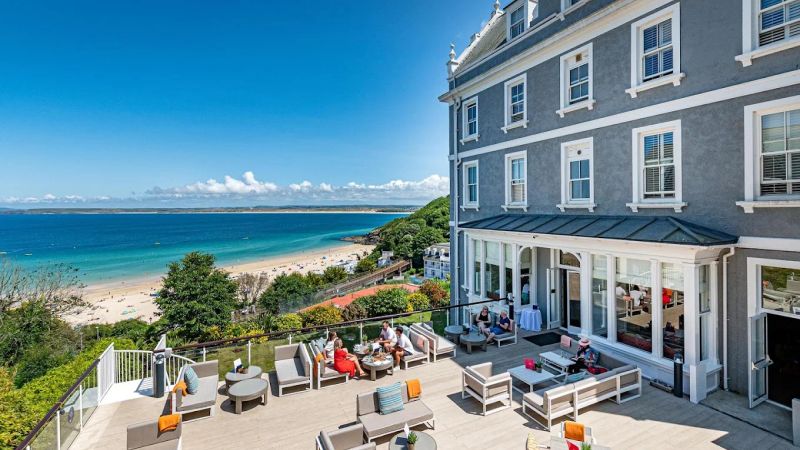
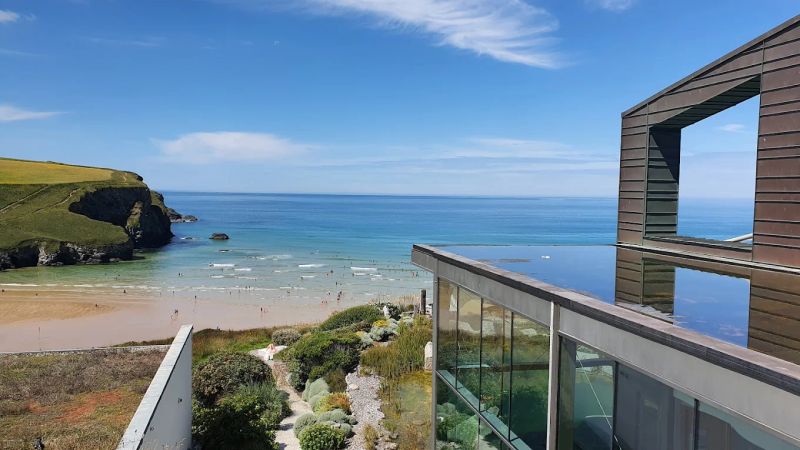
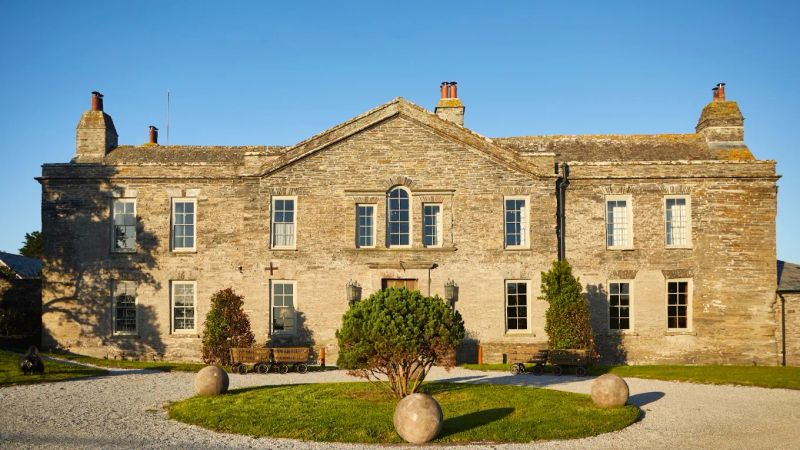
Cornwall
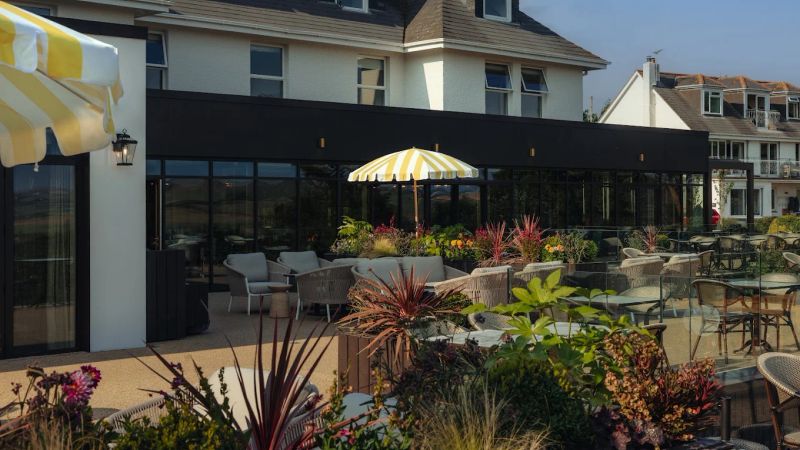
Compare ten distinctive Cornwall hotels across St Ives, the north coast, Falmouth, Fowey and St Mawes, with practical advice on beaches, parking and car-free travel.
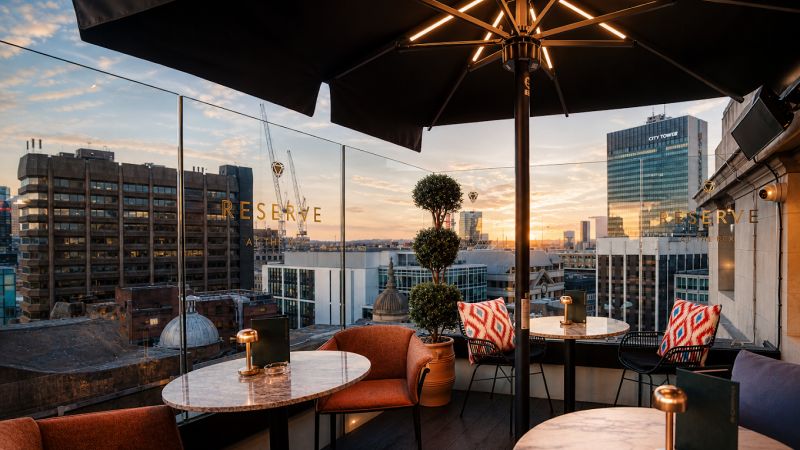
Manchester
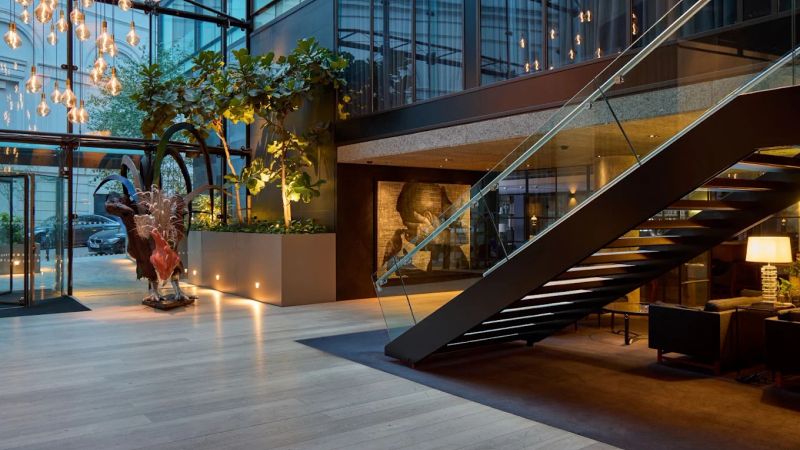
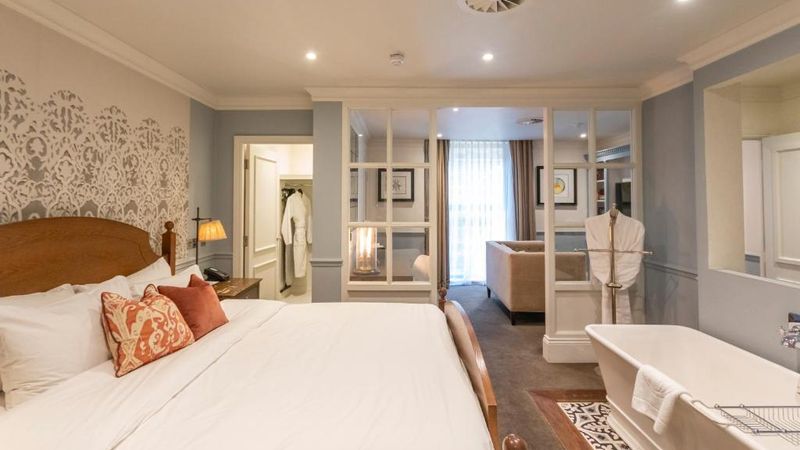
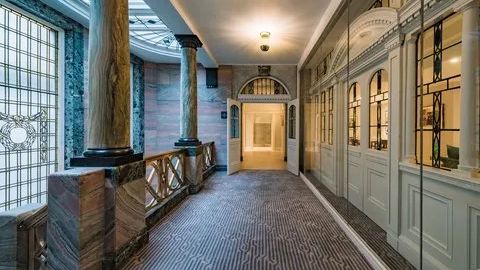
Compare ten of the best Manchester hotels for rail arrivals, culture, nightlife, business, longer stays and city views, with clear area and booking trade-offs.
Illustrative choices
Representative stays to compare
This is not a definitive ranking. Each hotel is here because it shows a distinct England booking decision.
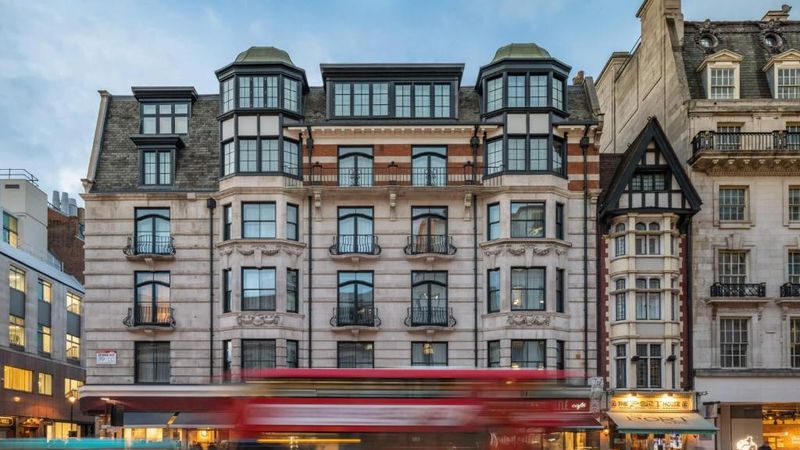
London
The Resident Covent Garden
A room-first Covent Garden base for sightseeing, with in-room food preparation rather than a full-service hotel restaurant.
Best forFirst-time sightseeing and in-room food preparation.
Know before bookingRoom size and sleeping capacity vary by category.
Ullswater, Lake District
Another Place, The Lake
An activity-led Ullswater resort for families and outdoor time, not a walk-from-station town hotel.
Best forFamilies, outdoor activity and selected dog-friendly stays.
Know before bookingUllswater transport and activity availability require planning, especially without a car.
Bath
No.15 by GuestHouse
A design-led city stay with an on-site treatment spa—not a thermal or pool hotel.
Best forA design-led romantic or city-spa stay.
Know before bookingThe spa has no wet facilities and treatments are for over-18s; it does not have a pool.
York
The Grand, York
A restored former railway headquarters a short walk from York station, with a full spa for a rail-first luxury weekend.
Best forRail-friendly luxury and spa weekends.
Know before bookingResident spa access uses timed sessions and should be booked in advance.
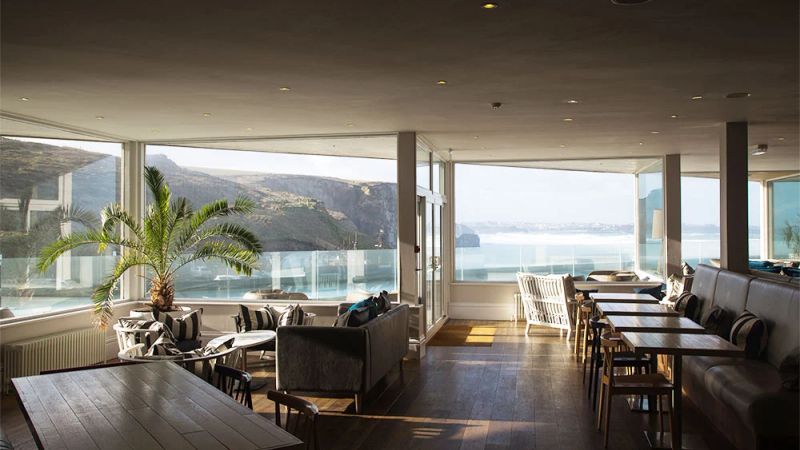
Cornwall
Watergate Bay Hotel
A north Cornwall beach hotel built around family rooms, swimming and surfing rather than a town-centre base.
Best forFamily beach stays, swimming and surfing.
Know before bookingPlan north Cornwall transfers or parking before booking.
Cotswolds
Calcot & Spa
A country hotel where on-site facilities and family-room layout matter more than village-hopping.
Best forFamilies wanting a country hotel with substantial on-site facilities.
Know before bookingChildcare and other inclusions may depend on the booked package.
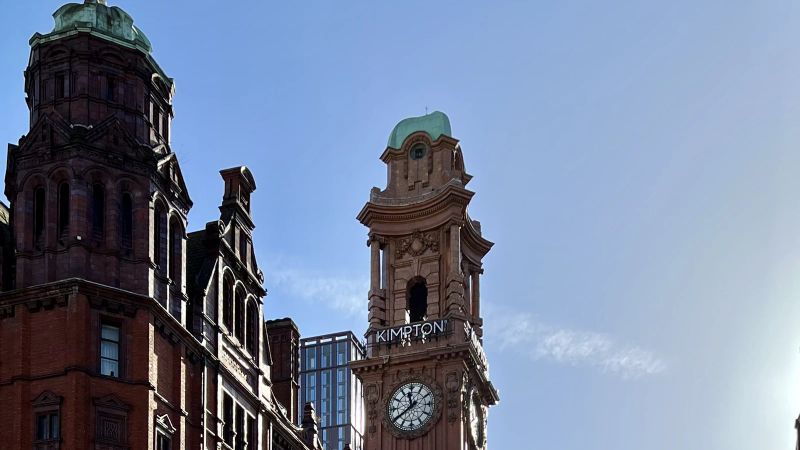
Manchester
Kimpton Clocktower Hotel
A central Victorian landmark opposite Manchester Oxford Road station for events and car-free city stays.
Best forHeritage character, events and car-free urban stays.
Know before bookingA lively central setting and event nights will not suit every traveller.
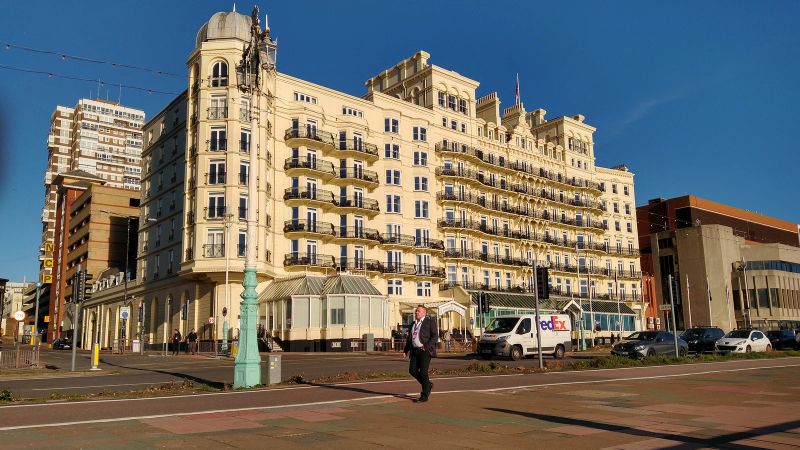
Brighton
The Grand Brighton
A traditional seafront hotel for a classic Brighton break, including published family-room and dog-stay information.
Best forA traditional seafront break, families and selected dog-friendly stays.
Know before bookingPet fees and access rules can change and should be verified at booking.
Evidence, not a ranking
How we choose hotels
We select hotels for a clear traveller need, not simply because they are famous or highly rated elsewhere. We check official hotel information, transport and destination sources, record when facts were verified, and state important trade-offs. A hotel labelled “stayed” or “visited” reflects first-hand evidence; “editorially researched” does not imply a personal stay. Affiliate commission does not determine inclusion.
See how we choose and check hotelsRead our editorial policyHow BestUKHotels makes moneyReport an error or view correctionsAbout BestUKHotelsContactAbout the editor
Match the stay to the trip
Choose by trip type
First visit to England
For a first visit, London is the strongest all-round base: sights, neighbourhood choice and onward rail are concentrated there. On a longer trip, pair it with one contrasting destination—York or Bath for a compact historic city, the Lake District for walking, or Brighton for an easy seaside add-on—rather than trying to sample every English region in one hotel.
Families
Verify occupancy using the children’s actual ages, not a “family-friendly” label. Check cots, extra beds, connecting rooms, lifts and child hours for pools or kids’ clubs. London has the widest room-type range; the Lake District and Cornwall suit outdoor holidays if the hotel’s family layout and the final transfer both work. Cotswolds country hotels can work when the grounds and facilities are the main event.
Couples and special occasions
Choose Bath or York for compact car-free historic weekends. Choose the Cotswolds when the hotel itself—spa, restaurant, grounds and room—is the main event rather than village sightseeing. London suits theatre and dining; the Lake District suits scenery if you accept a quieter evening and a transport plan.
Travelling without a car
London, Bath, York, Manchester and Brighton are the straightforward car-free English bases in this comparison. The Lake District can work if you arrive by rail and stay in a connected town such as Windermere, then plan buses and boats; a remote lakeside hotel may still need a taxi. Check the final rural connection in both directions and evening frequency before you book.
Road trips
A car is most useful for Cornwall, the Cotswolds and much of the Lake District. Consider hiring only for the rural portion rather than keeping a car in historic centres such as Bath, York or central London, where parking and access are the booking decision. Confirm parking, height limits and evening arrivals with the hotel.
Accessible stays
Historic English buildings often mean steps, split levels and compact bathrooms. Verify the complete route from arrival to reception, room, bathroom, restaurant and spa—not only whether an “accessible room” exists. Ask about step-free entrance, lifts, bathroom layout, and whether spa or restaurant access uses stairs or a separate route.
Timing and terms
Seasonality and booking advice
England does not have one climate or one hotel market. Match the timing to the destination and the kind of stay.
Spring
Good for cities, gardens and countryside, but weather can be wet and changeable.
Summer
Strongest for coast, lakes and family trips, although school-holiday and event demand reduces choice.
Autumn
Well suited to city, food and countryside breaks, with shorter days later in the season.
Winter
Best suited to culture, theatre, dining and spa-led stays; check rural transport and seasonal openings.
Book constrained stays earlier
There is no universal “best month” or booking lead time. Book earlier for school holidays, bank-holiday weekends, major events, summer coastal stays, small hotels, connecting rooms, accessible rooms and dog-friendly rooms.
Compare like with like
Compare the same room, occupancy, meal plan and cancellation terms. Do not treat a headline rate from one site as the England price. Hotel policies on cots, spa access, pets, parking and accessibility can change; re-check them for your dates.
Common planning questions
Frequently asked questions
What is the best place to stay in England for a first visit?
London is the strongest all-round first base for sightseeing, museums, theatre, neighbourhood choice and onward rail. On a longer trip, add one contrasting destination such as York, Bath, Brighton or the Lake District rather than treating England as a single hotel market.
Which English cities are easiest without a car?
Bath, York, Manchester and Brighton are compact enough for short car-free breaks, and London has the deepest public-transport network. Choose a central or station-side hotel so you are not relying on repeated taxis. Rural destinations need a separate transfer plan.
Can I visit the Lake District without a car?
Yes, with planning. Arrive by rail, choose a connected base such as Windermere, and use buses and boats. Lakeside isolation and car-free access rarely come together perfectly, so check the last bus, boat or taxi in both directions before you book.
Where should families stay in England?
Match the destination to the holiday: London for attractions, the Lake District or Cornwall for outdoor time, or a Cotswolds country hotel when facilities matter more than sightseeing. Then verify occupancy for the children’s actual ages, plus cots, extra beds, connecting rooms and child access to pools or clubs.
Where should couples stay for a weekend in England?
Bath or York suit compact historic weekends without a car. The Cotswolds work when the hotel’s spa, dining and grounds are the point of the trip. London is strongest for theatre and restaurants; Brighton is the easy seaside alternative from the capital.
What is the best time of year to book an England hotel?
There is no single best month. Spring and autumn suit cities and countryside; summer is strongest for coast and lakes but busier; winter suits culture and spa stays. Book earlier for school holidays, bank holidays, events, summer coast, small hotels, connecting rooms, accessible rooms and dog-friendly rooms.
Are air-conditioned hotel rooms standard in England?
No. Cooling is common in some modern or large-city hotels, especially in London, but it is not standard across England and is less likely in historic or rural buildings. If summer heat or noise with closed windows matters, confirm air conditioning for the exact room category before you book.
Is England the same as the United Kingdom?
No. England is one of the four countries of the United Kingdom, alongside Scotland, Wales and Northern Ireland. This page covers hotels in England only. Great Britain is the island of England, Scotland and Wales; the UK also includes Northern Ireland.
Editorial evidenceSources25 cited references supporting this page
Claims are paired with the publisher and access date used during editorial verification.
England is one of the four countries of the United Kingdom
England destination roles for visitors
National rail planning for car-free city and onward travel
Lake District arrival and local transport need planning
England climate varies by season and region
The Resident Covent Garden rooms include concealed mini-kitchens
Another Place, The Lake family, pool, kids’ club and dog-friendly rooms
Another Place, The Lake hotel overview
No.15 by GuestHouse has 36 rooms and an on-site treatment spa
No.15 spa has no wet facilities and treatments are for over-18s
The Grand York is a restored former railway headquarters with a spa
The Grand York is a short walk from York station
The Grand York resident spa access uses timed sessions
Watergate Bay Hotel family suites, kids’ club and 25-metre pool
Watergate Bay family suites include separate bunk rooms
Watergate Bay swim club family times and shallow area
Calcot & Spa publishes family rooms, pools, spa and family programmes
Calcot family-room categories and family programmes
Kimpton Clocktower is a Victorian landmark opposite Manchester Oxford Road station
Kimpton Clocktower Piccadilly location and restaurant service
Kimpton Clocktower 24-hour room service
The Grand Brighton seafront location
The Grand Brighton published family-room information
The Grand Brighton published dog-stay information
Overview coordinates for the England hub map pin
OS Code-Point Open centroid for SW1A 2AA
Open Government Licence. The map pin uses an OS centroid in London, England’s capital, not a geometric centroid of England.
Also on BestUKHotels