Where to stay
Where to Stay in London: 8 Best Areas Compared
Compare eight practical London bases by atmosphere, sights, transport, nightlife, price position and trade-offs, with hotel examples for each area.
Last reviewed
Quick answer
For a first London visit, stay around Covent Garden and the Strand for central walking, or South Bank for river attractions and families. Choose Soho for nightlife, Westminster and Victoria for landmarks, South Kensington for museums, Mayfair for luxury, Notting Hill and Paddington for a calmer west-London base, or King’s Cross–St Pancras when rail convenience is decisive.
This is an editorially researched area-selection guide, not a claim of first-hand residence or hotel stays. The 17 hotels are examples that demonstrate each area’s range; they are not ranked again here.
At a glance
Compare the best areas to stay in London
No area wins every trip. Covent Garden is the easiest cultural all-rounder; South Bank is strongest for river attractions and many family itineraries; Soho for late nights; Westminster and Victoria for landmarks; Mayfair for traditional luxury; South Kensington for museums; Notting Hill and Paddington for west-London character and arrivals; and King’s Cross–St Pancras for rail connections.
| Area | Best for | Feel and evenings | Transport | Positioning | Main trade-off |
|---|---|---|---|---|---|
| Covent Garden and the Strand | first visits, theatre and central sightseeing | Lively, polished and visitor-facing, with theatres, restaurants, shopping and major sights packed into a walkable West End cluster.Excellent for walking back after a show, but streets around theatres, restaurants and the Piazza remain busy. | Useful access from Covent Garden, Charing Cross, Leicester Square, Embankment and Temple; the best station depends on the exact hotel. | Mostly upper-mid-range and luxury; convenience carries a premium. | Crowds, compact rooms and nightlife exposure are common costs of the exceptionally central position. |
| Soho and Piccadilly | nightlife, dining, shopping and short city breaks | Dense, energetic and late-running, with restaurants, bars, music, shopping and West End theatres in every direction.The clearest late-night choice in this guide—and the least convincing place to seek guaranteed street silence. | Piccadilly Circus, Oxford Circus, Tottenham Court Road and Leicester Square serve different edges; pavements are often crowded. | Upper-mid-range to luxury, with room size often secondary to location. | The energy that makes Soho convenient for evenings can make early nights, taxis and luggage arrivals harder. |
| Westminster and Victoria | Buckingham Palace, Westminster landmarks and Victoria arrivals | Landmark-heavy and practical rather than uniformly atmospheric, shifting from government streets to Victoria’s major transport hub.Some streets quieten after offices close, while Victoria stays busy around transport, theatres and restaurants. | Victoria offers mainline, coach and Underground services; Westminster and St James’s Park work better for the landmark core. | A broad spread, though landmark proximity and larger full-service hotels increase the upper end. | The label covers a wide area, so a hotel near Victoria is not automatically beside Parliament or the West End. |
| South Bank and London Bridge | families, river walks, modern culture and skyline views | Riverside, cultural and family-friendly, with broad pedestrian routes and a mix of major attractions, offices and food destinations.Busy around Waterloo, the river and Borough Market, with quieter pockets between destination clusters. | Waterloo, Southwark and London Bridge serve different sections; crossing the river can add time to repeated West End trips. | Mixed mid-range to luxury; river and skyline views can materially change the room price. | The riverside stretches farther than it appears, and frequent north-bank plans turn bridge crossings into a daily commute. |
| Mayfair, Marylebone and Fitzrovia | luxury, shopping, parks and polished couples’ stays | A west-central sweep from formal Mayfair luxury to Marylebone’s village-like streets and Fitzrovia’s restaurants and creative businesses.Mayfair can feel restrained after dinner; Fitzrovia is livelier near bars and restaurants; Marylebone sits between them. | Use Green Park, Bond Street, Oxford Circus or Great Portland Street according to the exact address; no one station defines the whole area. | The most consistently luxury-led grouping in this guide. | A prestigious postcode can cost more while placing South Bank, the City or east-London plans farther away. |
| Kensington and South Kensington | museums, families, Royal Albert Hall and quieter evenings | Elegant, museum-focused and calmer than the West End, with residential streets, major cultural institutions and nearby parks.Restaurants and pubs remain active, but most streets feel calmer than Soho or Covent Garden after the main visitor day. | South Kensington, Gloucester Road, High Street Kensington and Knightsbridge suit different plans; allow for longer east-London journeys. | Predominantly upper-mid-range and luxury near museums and parks. | Excellent local sightseeing, but theatre, the City and east London require more transport. |
| Notting Hill, Paddington and Hyde Park | Heathrow rail arrivals, Hyde Park and neighbourhood weekends | A mixed west-London base: colourful neighbourhood streets and markets to the west, transport practicality around Paddington, and park access between.Notting Hill has restaurants and bars without Soho’s intensity; streets immediately around Paddington station are more functional. | Paddington provides Elizabeth line and mainline rail; Notting Hill Gate adds Central, Circle and District line access. | Broader value range than Mayfair, with premiums for park views and polished Notting Hill townhouses. | The grouping covers distinct micro-areas; a convenient station hotel and a characterful Notting Hill stay solve different trips. |
| King’s Cross and St Pancras | Eurostar, northern rail, early departures and short stays | A major rail gateway that now mixes restored industrial architecture, public squares, canalside walks, restaurants and cultural venues.More dining and nightlife than a pure station district, with activity concentrated around Euston Road, Granary Square and major venues. | King’s Cross and St Pancras are adjoining but separate stations; match the hotel and entrance to the service you will actually use. | Mixed, from compact rooms to luxury railway architecture and large design hotels. | Outstanding for rail logistics, but weaker than Covent Garden or Westminster when a landmark-heavy first visit is the priority. |
Area by area
Which London base fits your trip?
Use the examples to understand each area’s hotel range; they are not a second ranking.
Best for first visits, theatre and central sightseeing
Covent Garden and the Strand
Lively, polished and visitor-facing, with theatres, restaurants, shopping and major sights packed into a walkable West End cluster.
- Nearby focus
- Covent Garden Market, Royal Ballet and Opera, London Transport Museum, Trafalgar Square and Thames walks.
- Arrival and transport
- Useful access from Covent Garden, Charing Cross, Leicester Square, Embankment and Temple; the best station depends on the exact hotel.
- After dark
- Excellent for walking back after a show, but streets around theatres, restaurants and the Piazza remain busy.
- Price position
- Mostly upper-mid-range and luxury; convenience carries a premium.
- The trade-off
- Crowds, compact rooms and nightlife exposure are common costs of the exceptionally central position.
Hotel examples
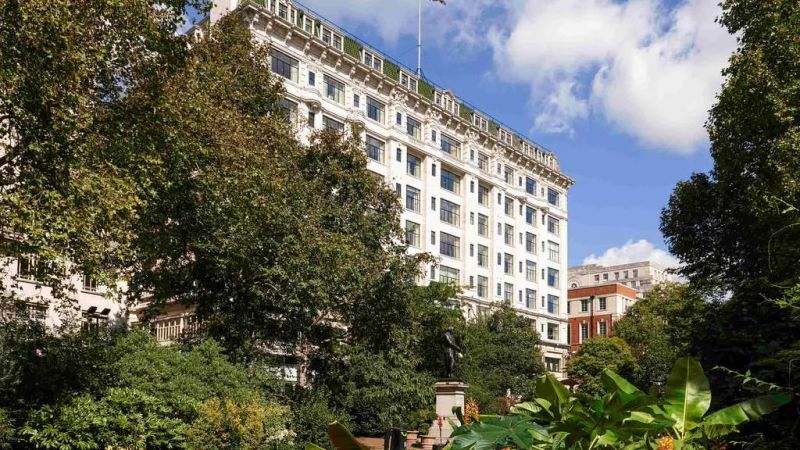
The Savoy
A landmark first visit, theatre breaks and a central Strand base with river views.
Henrietta Experimental
Theatre weekends, Covent Garden dining and visitors who want central walking over neighbourhood calm.
Best for nightlife, dining, shopping and short city breaks
Soho and Piccadilly
Dense, energetic and late-running, with restaurants, bars, music, shopping and West End theatres in every direction.
- Nearby focus
- Carnaby Street, Regent Street, Chinatown, Soho Square, Piccadilly Circus and many West End theatres.
- Arrival and transport
- Piccadilly Circus, Oxford Circus, Tottenham Court Road and Leicester Square serve different edges; pavements are often crowded.
- After dark
- The clearest late-night choice in this guide—and the least convincing place to seek guaranteed street silence.
- Price position
- Upper-mid-range to luxury, with room size often secondary to location.
- The trade-off
- The energy that makes Soho convenient for evenings can make early nights, taxis and luggage arrivals harder.
Hotel examples
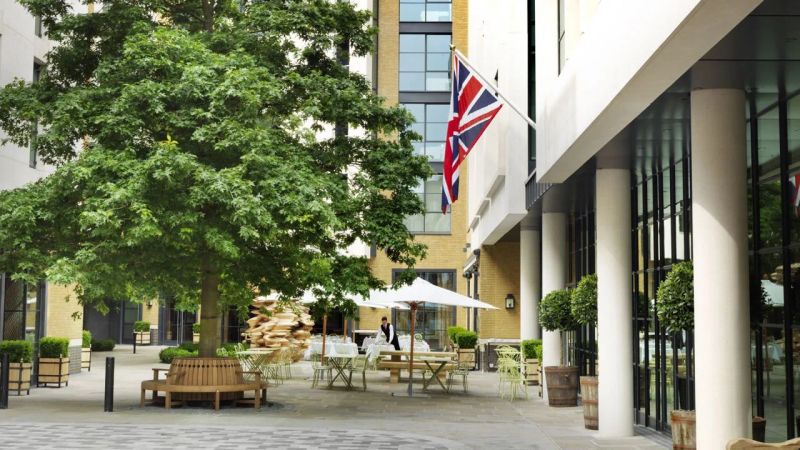
Ham Yard Hotel
A celebratory Soho stay, design lovers and travellers who want full-service facilities without anonymous décor.
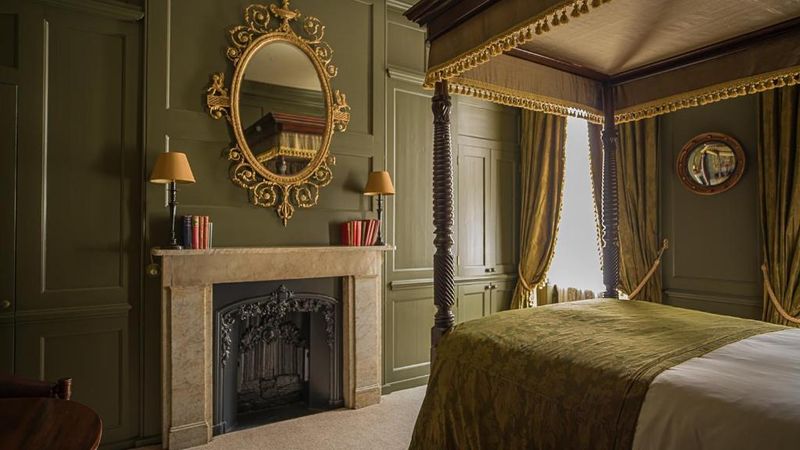
Hazlitt’s
Literary history, theatre, restaurants and travellers who want period character in central Soho.
Best for Buckingham Palace, Westminster landmarks and Victoria arrivals
Westminster and Victoria
Landmark-heavy and practical rather than uniformly atmospheric, shifting from government streets to Victoria’s major transport hub.
- Nearby focus
- Westminster Abbey, Big Ben, Houses of Parliament, Buckingham Palace, St James’s Park and Tate Britain.
- Arrival and transport
- Victoria offers mainline, coach and Underground services; Westminster and St James’s Park work better for the landmark core.
- After dark
- Some streets quieten after offices close, while Victoria stays busy around transport, theatres and restaurants.
- Price position
- A broad spread, though landmark proximity and larger full-service hotels increase the upper end.
- The trade-off
- The label covers a wide area, so a hotel near Victoria is not automatically beside Parliament or the West End.
Hotel examples
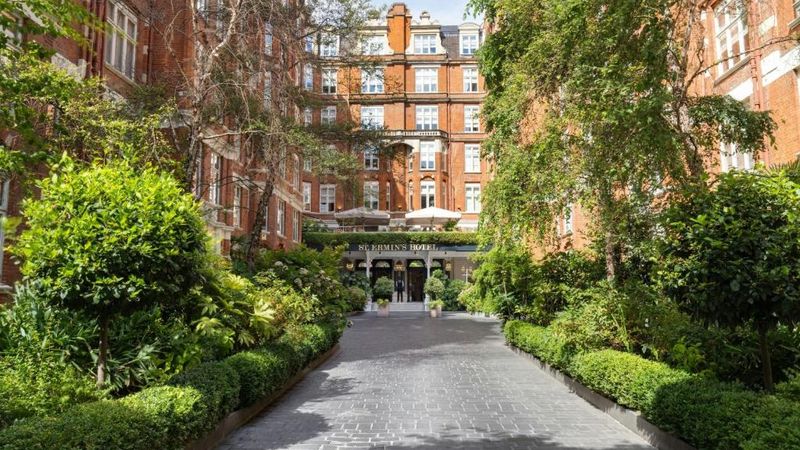
St. Ermin’s Hotel
Families of five or six, Westminster sightseeing and parents who value two bathrooms over a pool or kitchenette.
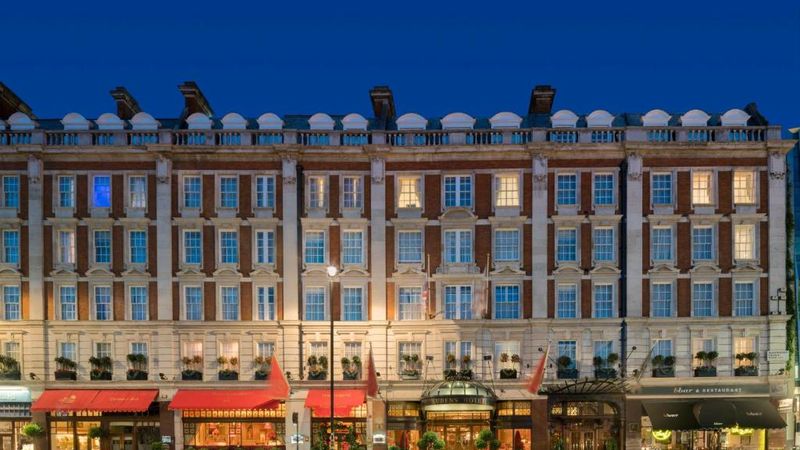
The Rubens at the Palace
Buckingham Palace, Victoria arrivals, celebration stays and multi-generational families needing several connected rooms.
Best for families, river walks, modern culture and skyline views
South Bank and London Bridge
Riverside, cultural and family-friendly, with broad pedestrian routes and a mix of major attractions, offices and food destinations.
- Nearby focus
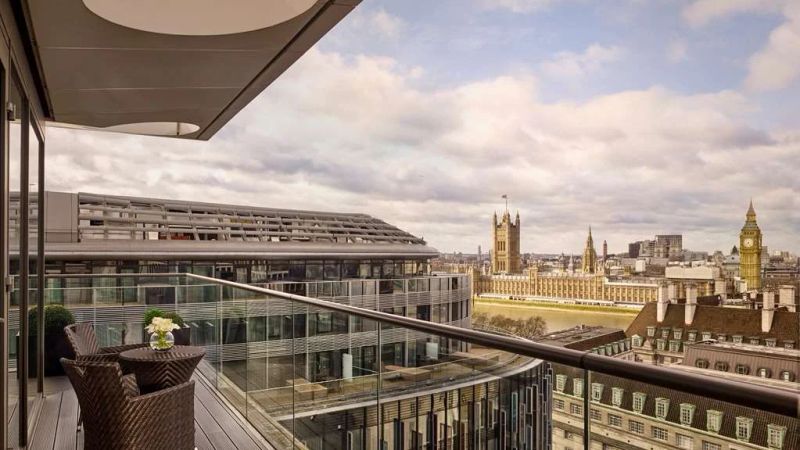
- London Eye, Southbank Centre, National Theatre, Tate Modern, Shakespeare’s Globe, Borough Market and The Shard.
- Arrival and transport
- Waterloo, Southwark and London Bridge serve different sections; crossing the river can add time to repeated West End trips.
- After dark
- Busy around Waterloo, the river and Borough Market, with quieter pockets between destination clusters.
- Price position
- Mixed mid-range to luxury; river and skyline views can materially change the room price.
- The trade-off
- The riverside stretches farther than it appears, and frequent north-bank plans turn bridge crossings into a daily commute.
Hotel examples
Park Plaza County Hall London
A family of four, South Bank attractions, Waterloo arrivals and simple in-room breakfasts or snacks.
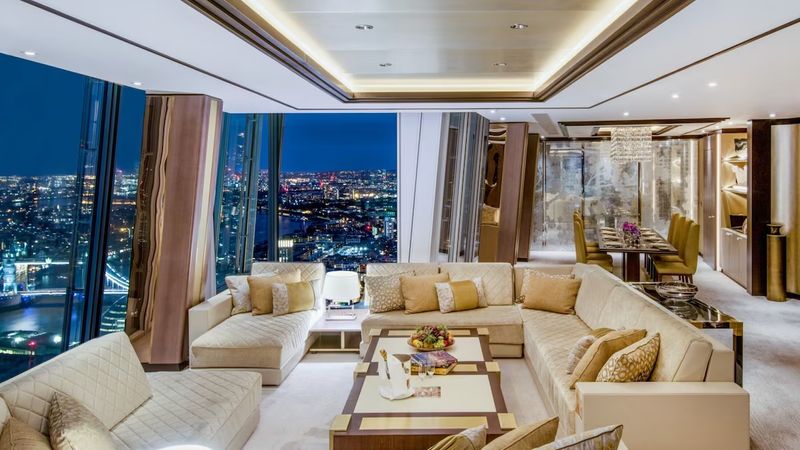
Shangri-La The Shard, London
Skyline views, South Bank sightseeing and a modern high-rise stay.
Best for luxury, shopping, parks and polished couples’ stays
Mayfair, Marylebone and Fitzrovia
A west-central sweep from formal Mayfair luxury to Marylebone’s village-like streets and Fitzrovia’s restaurants and creative businesses.
- Nearby focus
- Hyde Park, Green Park, Bond Street, Regent Street, Wallace Collection and easy access towards the British Museum.
- Arrival and transport
- Use Green Park, Bond Street, Oxford Circus or Great Portland Street according to the exact address; no one station defines the whole area.
- After dark
- Mayfair can feel restrained after dinner; Fitzrovia is livelier near bars and restaurants; Marylebone sits between them.
- Price position
- The most consistently luxury-led grouping in this guide.
- The trade-off
- A prestigious postcode can cost more while placing South Bank, the City or east-London plans farther away.
Hotel examples
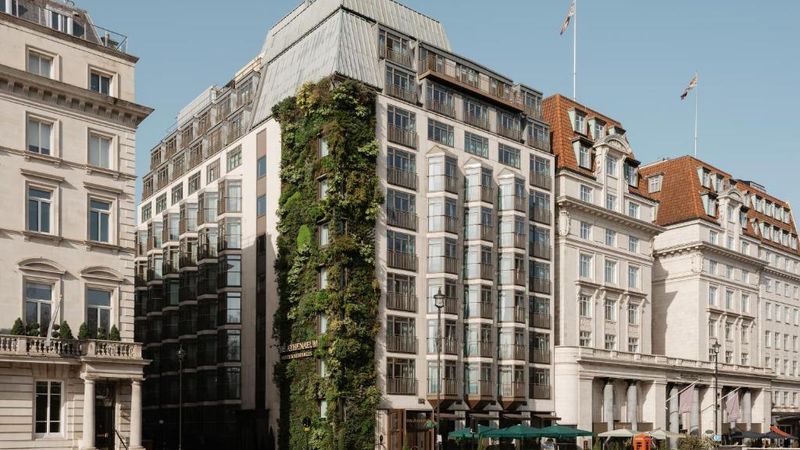
The Athenaeum Hotel & Residences
Longer family stays, self-catering breakfasts, Green Park and families wanting more space than a conventional room.
The Langham, London
Marylebone and Regent Street access, family pool time, afternoon tea and classic grand-hotel service.
The Mandrake
Couples prioritising art, cocktails, nightlife and an experience-led West End hotel.
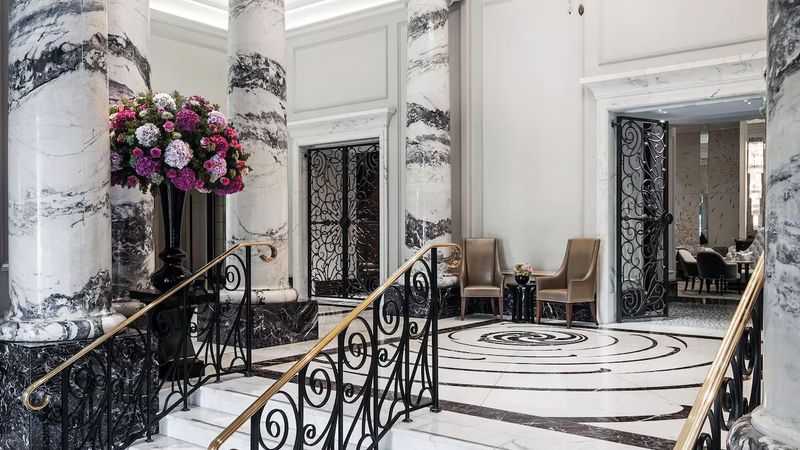
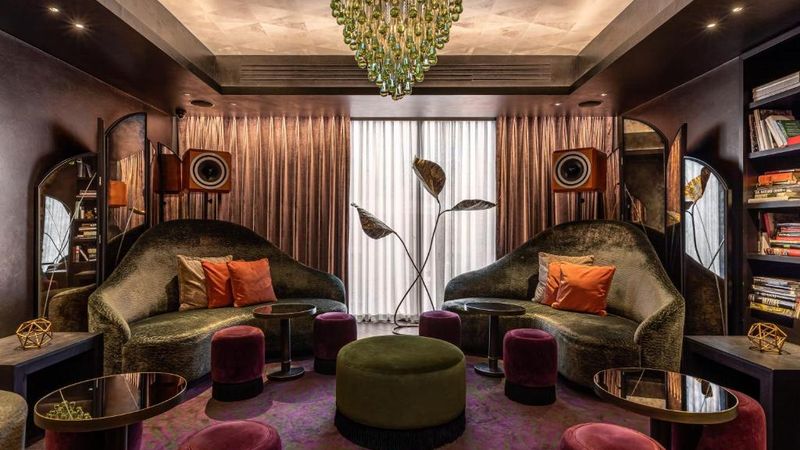
Best for museums, families, Royal Albert Hall and quieter evenings
Kensington and South Kensington
Elegant, museum-focused and calmer than the West End, with residential streets, major cultural institutions and nearby parks.
- Nearby focus
- Natural History Museum, V&A, Science Museum, Kensington Palace, Kensington Gardens and Royal Albert Hall.
- Arrival and transport
- South Kensington, Gloucester Road, High Street Kensington and Knightsbridge suit different plans; allow for longer east-London journeys.
- After dark
- Restaurants and pubs remain active, but most streets feel calmer than Soho or Covent Garden after the main visitor day.
- Price position
- Predominantly upper-mid-range and luxury near museums and parks.
- The trade-off
- Excellent local sightseeing, but theatre, the City and east London require more transport.
Hotel examples
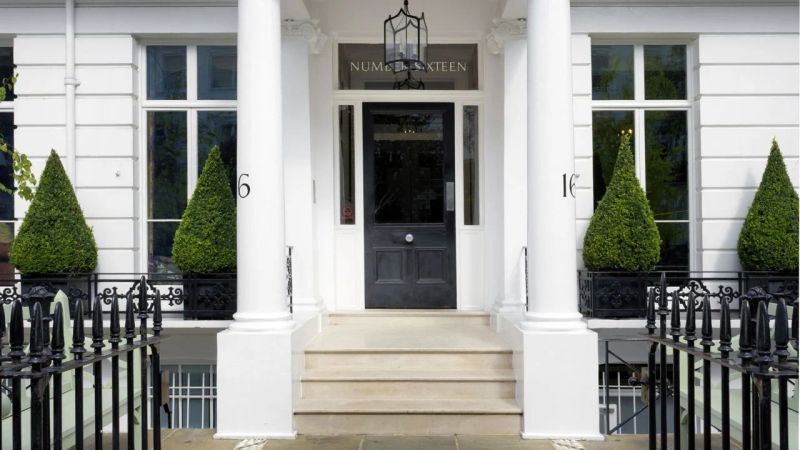
Number Sixteen
South Kensington museums, garden downtime and a quieter couples’ or solo city break.
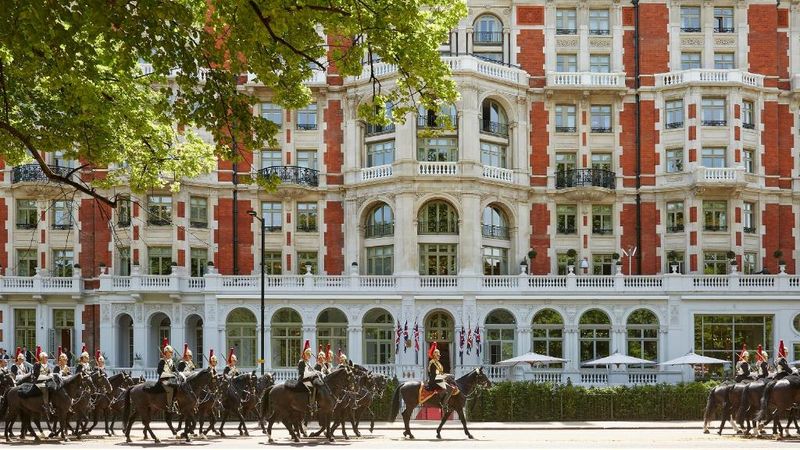
Mandarin Oriental Hyde Park
Hyde Park views, Knightsbridge shopping and a large destination spa.
Best for Heathrow rail arrivals, Hyde Park and neighbourhood weekends
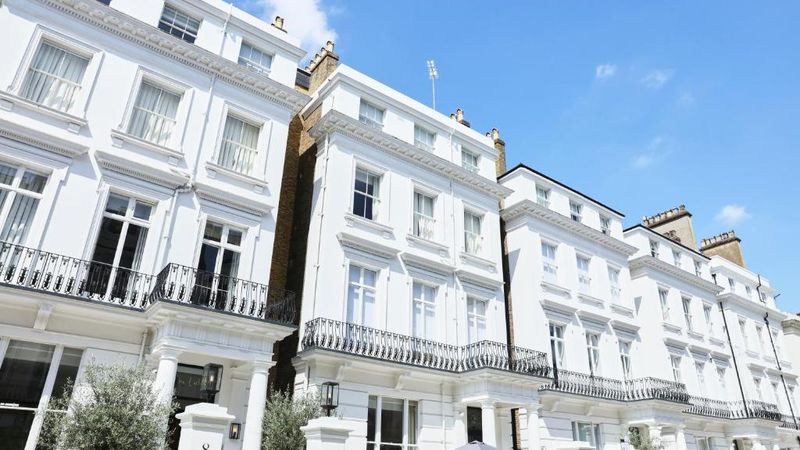
Notting Hill, Paddington and Hyde Park
A mixed west-London base: colourful neighbourhood streets and markets to the west, transport practicality around Paddington, and park access between.
- Nearby focus
- Portobello Road, Notting Hill streets, Kensington Gardens, Hyde Park and Little Venice depending on the exact base.
- Arrival and transport
- Paddington provides Elizabeth line and mainline rail; Notting Hill Gate adds Central, Circle and District line access.
- After dark
- Notting Hill has restaurants and bars without Soho’s intensity; streets immediately around Paddington station are more functional.
- Price position
- Broader value range than Mayfair, with premiums for park views and polished Notting Hill townhouses.
- The trade-off
- The grouping covers distinct micro-areas; a convenient station hotel and a characterful Notting Hill stay solve different trips.
Hotel examples
The Laslett
Notting Hill weekends, neighbourhood atmosphere and travellers who prefer residential design to a grand lobby.
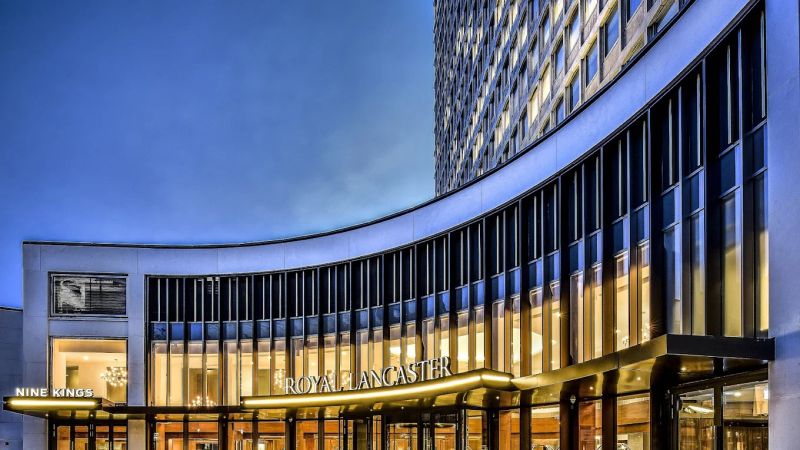
Royal Lancaster London
Two-room family privacy, Hyde Park, Paddington arrivals and parents travelling with older children.
Best for Eurostar, northern rail, early departures and short stays
King’s Cross and St Pancras
A major rail gateway that now mixes restored industrial architecture, public squares, canalside walks, restaurants and cultural venues.
- Nearby focus
- British Library, Coal Drops Yard, Granary Square, Regent’s Canal and convenient links to Bloomsbury.
- Arrival and transport
- King’s Cross and St Pancras are adjoining but separate stations; match the hotel and entrance to the service you will actually use.
- After dark
- More dining and nightlife than a pure station district, with activity concentrated around Euston Road, Granary Square and major venues.
- Price position
- Mixed, from compact rooms to luxury railway architecture and large design hotels.
- The trade-off
- Outstanding for rail logistics, but weaker than Covent Garden or Westminster when a landmark-heavy first visit is the priority.
Hotel examples
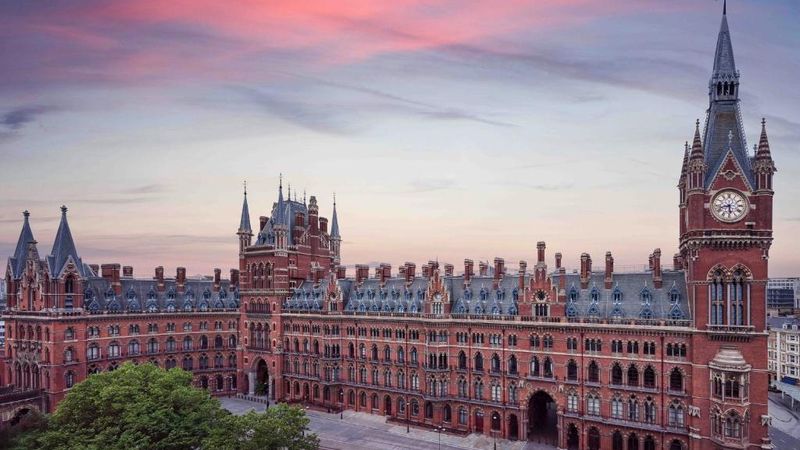
St. Pancras London, Autograph Collection
Eurostar and St Pancras arrivals, railway-hotel architecture and King’s Cross connections.
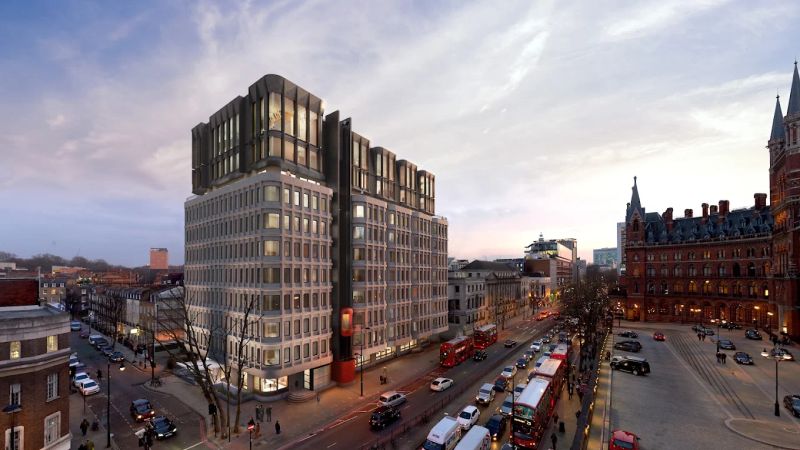
The Standard, London
Eurostar and northern rail arrivals, design-led city breaks, rooftop dining and travellers who want an active social hotel.
Three comparisons that usually decide the area
The map makes central London look compact. The lived difference comes from the journey you repeat, the station you enter with luggage and the kind of street you return to at night. These three comparisons resolve many shortlists.
Covent Garden or South Bank?
Choose Covent Garden and the Strand when theatre, restaurants, Trafalgar Square and West End walking are the core of the trip. It is the easier default for a first-time couple or a short cultural break because more evenings can end without another transport leg.
Choose South Bank and London Bridge for the London Eye, Southbank Centre, Tate Modern, Borough Market and a riverside family itinerary. The area is linear rather than compact: a hotel near Waterloo and one beside London Bridge do not create the same journey. Identify the useful section before comparing hotels.
The exception is arrival. Waterloo can be ideal for trains from south-west England, while Charing Cross simplifies some south-east arrivals. Let the actual terminal break a close tie.
Mayfair or Soho?
Choose Mayfair for formal luxury, park access, Bond Street shopping and a more restrained evening atmosphere. The hotel is often a larger part of the occasion, and room rates reflect the address and service model.
Choose Soho when the restaurants, bars, music and theatres are the occasion. It saves the late journey but gives up calm streets and easy vehicle access. A rear-facing room can help; it cannot make the neighbourhood stop operating.
Marylebone and Fitzrovia are useful middle positions. Marylebone feels more residential and village-like; Fitzrovia keeps Soho and Oxford Street close while spreading restaurants and bars across less visitor-dominated streets.
Paddington or King’s Cross–St Pancras?
Choose Paddington for Heathrow rail, west-London plans and Hyde Park. Choose King’s Cross–St Pancras for Eurostar, northern mainline trains and a one-night stop before an early departure. Both have excellent onward transport, but they point in different directions.
For a four- or five-night visit, remove arrival day from the comparison. If one station saves 20 minutes once but adds a cross-city trip every evening, the apparent convenience disappears. We do not publish fixed journey times here because service, interchange and walking conditions change; check the exact door-to-door route for your dates.
Match the base to the length of stay
One or two nights
Reduce transfers aggressively. Stay beside the arrival station when the trip is built around one event, one meeting or an early departure. For a theatre weekend, Covent Garden or Soho may be worth the smaller room because the evening ends on foot.
For a Victoria arrival or departure, compare our hotels near Victoria Station guide before choosing between station frontage, the palace side and Pimlico or Belgravia. It distinguishes the rail and coach approaches and the room arrangements that can change a short stay.
Three or four nights
Choose the area that serves the majority of the itinerary. A first trip split between Westminster, the West End and the river usually favours Covent Garden, Westminster or South Bank. A museum-and-parks trip favours South Kensington or west London.
For the British Museum specifically, compare hotels near the British Museum in Bloomsbury. The guide distinguishes the immediate museum streets from Russell Square, Tavistock Square and Gower Street, with room-outlook and family-layout trade-offs.
Five nights or more
Neighbourhood atmosphere and room comfort become more important. Notting Hill, Marylebone or South Kensington can feel easier to live in than the busiest visitor core, provided the repeated journeys remain acceptable. This is also when a larger room, fridge, residence or nearby supermarket may be worth more than an iconic postcode.
Common London area mistakes
Treating a neighbourhood name as a precise location
Hotel marketing uses broad labels. “Westminster” can mean a landmark-facing street or a position closer to Victoria; “South Bank” can imply Waterloo, Southwark or London Bridge. Open the address and identify the station entrance you will actually use.
Optimising only for the first daytime attraction
The harder journey is often after dinner, theatre or an event. Plot that route and note the interchange, final walk and service frequency. A hotel beside one famous sight can still create an inconvenient stay.
Assuming the nearest Tube station is the easiest
The closest entrance may involve stairs, a long interchange or a line that does not serve your main route. Transport for London’s Journey Planner and TfL Go can show current options, including step-free preferences. Recheck on the day because lift availability and engineering work can change the route.
Equating “central” with quiet, spacious or good value
Central London usually makes one journey easier by making another compromise more visible. In the West End, that can be room size and street noise; in Mayfair, price; on South Bank, repeated river crossings; near a major station, the immediate streetscape. Choose the compromise deliberately.
A practical booking sequence
- Mark fixed places and times. Include the arrival terminal, booked shows, event venue and any very early start.
- Choose two area candidates. Use the table above; avoid beginning with 30 hotels scattered across London.
- Plot the repeated evening route. Include walking to the platform, interchange and final street—not just time on the train.
- Compare exact rooms. Match room name, size, bed, bathroom, outlook, air-conditioning and cancellation terms.
- Check the real total. Include VAT and mandatory charges, breakfast, extra beds, deposits and anything payable at the hotel.
- Confirm quiet and access needs. Ask about the assigned route and room position in writing; a general facilities icon is not enough.
- Keep one fallback area. If the first choice becomes unusually expensive for the dates, compare the closest area that preserves the same core journey.
Accessibility and luggage change the answer
A technically short journey can be a poor arrival with large cases, a buggy or reduced mobility. King’s Cross and St Pancras are adjoining but separate stations; Victoria combines rail, Underground and coach facilities; Waterloo and London Bridge have multiple exits; Paddington serves several rail products. Match the hotel to the correct concourse and street exit.
Not all London Underground stations are fully step free. Use the current TfL planner for the complete route, then ask the hotel about the pavement, threshold, reception, lift, bedroom and bathroom. “Accessible room available” does not describe that sequence, and this guide is not an access audit.
Other London guides
Once the area is settled, use the main London hotel guide for an overall shortlist. Families should compare the verified room arrangements in the London family-hotel guide, while travellers choosing mainly on character and design can use the London boutique-hotel guide.
Choose your London base
If you are visiting London for the first time
Choose Covent Garden and the Strand for the easiest mix of theatre, central walking and recognisable sights. Choose South Bank instead when river attractions and family plans dominate.
If you are travelling with children
Start with South Bank for the London Eye and riverside attractions, or South Kensington for the major museums and calmer evenings. The exact family room still matters more than the area label.
If you want nightlife and late dinners
Stay in Soho or Piccadilly so the evening ends on foot. Ask where the room faces and accept that the strongest nightlife base is not the strongest quiet-sleep base.
If you want a quieter central stay
Look first at South Kensington, Notting Hill or Marylebone. Check the exact street, room orientation and nearby venue programme rather than relying on neighbourhood reputation.
If you arrive by Eurostar or a northern mainline train
King’s Cross–St Pancras removes the transfer on arrival and departure. It is especially persuasive for a short stay or early train.
If you arrive from Heathrow by rail
Paddington is the simplest hotel-area starting point for the Elizabeth line or Heathrow Express. A different central area may still be better for a longer sightseeing itinerary.
If you want traditional luxury and shopping
Choose Mayfair for formal service, Bond Street and the parks; consider Marylebone if you want a less ceremonial neighbourhood feel.
If you have only one or two nights
Minimise transfers: match the area to your arrival station and the one or two evening plans you will actually keep.
Keep planning
More London planning
Curated guide
Best Boutique Hotels in London
Compare nine researched London boutique hotels by character, room scale, neighbourhood, facilities, noise and the practical checks to make before booking.
Curated guide
Best Family Hotels in London
Family-friendly hotels in London compared by rooms and suites, connecting rooms, pools, kitchens and location, from budget to luxury. Check latest prices.
Curated guide
Best Luxury Hotels in London
Compare nine researched London luxury hotels by service style, location, rooms, views, spa facilities and the booking checks that protect a special stay.
Station guide
Best Hotels Near St Pancras and King's Cross
Compare hotels near St Pancras and King's Cross for the Eurostar and trains north to Edinburgh and York. Stay steps from your train, then check prices.
Related planning
Related guides in this cluster
Continue with these destination and place guides.
Quick answers
Common questions about where to stay in London
Concise answers for choosing a base, planning transport and matching the stay to your trip.
What is the best area to stay in London for a first-time visitor?
Covent Garden and the Strand are the strongest all-round starting point for a first visit because theatre, Trafalgar Square, the river and several central districts are reachable on foot. South Bank is a strong alternative for families and river attractions; Westminster is better when Parliament, Buckingham Palace and St James’s Park dominate the plan.
Where should a family stay in London?
South Bank works well for the London Eye, aquarium, river walks and Waterloo, while South Kensington is better for the Natural History, Science and V&A museums plus calmer evenings. Choose only after confirming the exact room occupancy, beds, lift and bathroom: a good area cannot rescue the wrong family layout.
Where should I stay in London for nightlife?
Soho and Piccadilly offer the highest concentration of bars, restaurants, music and West End entertainment in this comparison. Covent Garden is better for theatre and polished dining. The trade-off is noise: request a room away from the street, bar, lift and service areas, but do not treat a request as a guarantee.
What is a quiet but central area to stay in London?
South Kensington, Notting Hill and parts of Marylebone make stronger calm-base candidates than Soho. Quietness still varies by street, façade and room, especially near pubs, restaurants or construction. Ask the hotel about the exact room position and check whether private events are scheduled during your stay.
Is it better to stay near Paddington or King’s Cross?
Choose Paddington for Heathrow rail connections, Hyde Park and west-London plans. Choose King’s Cross–St Pancras for Eurostar, trains to northern England and Scotland, and direct Underground links across London. For a longer visit, compare the repeated sightseeing journeys after the arrival-day convenience is removed.
Should I stay in Covent Garden or South Bank?
Choose Covent Garden for West End theatre, restaurants and the most central walking base. Choose South Bank for the London Eye, Southbank Centre, Tate Modern and a family-friendly riverside itinerary. South Bank covers a longer stretch, so identify whether Waterloo, Southwark or London Bridge is the useful station.
Do I need to stay in Zone 1 for a London trip?
Not always, but all eight areas in this guide are central because they minimise transport for short visitor itineraries. A well-connected outer area can offer better room value, especially for a longer stay, but compare door-to-door evening journeys and the last leg from the station—not the Tube time alone.
Methodology
This guide compares eight broad, practical bases rather than trying to name every London neighbourhood. Area boundaries are editorial groupings and can overlap; the exact hotel address and station exit remain more important than the label. The editorial reason for the large set of 17 hotels is to give two or three concrete examples in every area, spanning different trip priorities without turning the page into a ranked hotel list. We checked current official visitor, transport, rail and hotel sources and avoided invented walking times or live prices. We did not stay in, inspect or sound-test the hotels for this page, and we did not audit every step-free route. Recheck transport, events and the exact booking before travel.
Site-wide method: how we review hotels · editorial policy

Editorial evidenceSources12 cited references supporting this page
Claims are paired with the publisher and access date used during editorial verification.
Covent Garden boundaries, attractions, theatre, dining and nearby districts
Soho nightlife, entertainment, shopping and dining context
Westminster landmarks, boundaries and evening context
South Bank and Waterloo boundaries, attractions, transport and family context
Mayfair boundaries, parks, shopping and relative positioning
Kensington and South Kensington museums, parks and cultural context
Notting Hill market, neighbourhood and cultural context
King’s Cross and St Pancras rail, dining, culture and public-space context
London visitor transport modes and central journey planning
Step-free journey planning and the warning that not all Tube stations are fully accessible
Live journey and accessibility planning
UK requirements for clear total prices and mandatory charges
Providing clear and accurate information about prices: summary