Curated hotels
Best Boutique Hotels in London: 9 Distinctive Stays
Compare nine researched London boutique hotels by character, room scale, neighbourhood, facilities, noise and the practical checks to make before booking.
Start with The Laslett — or browse the hotels below.
Last reviewed
Browse the shortlist
Boutique hotels in London
Compare the researched picks below, then open rates when a hotel looks right.
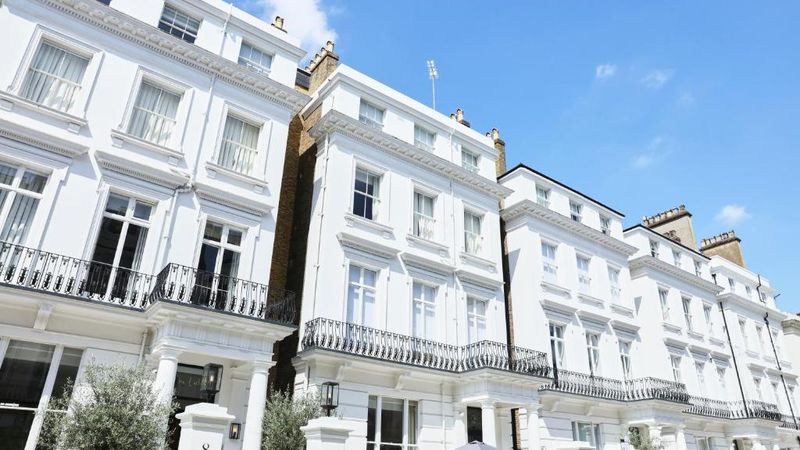
The Laslett
Notting Hill weekends, neighbourhood atmosphere and travellers who prefer residential design to a grand lobby.
See rooms & latest prices →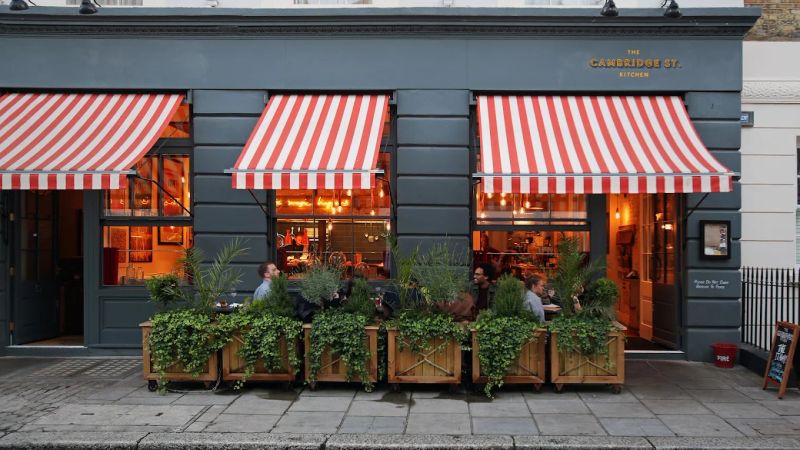
Artist Residence London
Couples and solo travellers who want a homely independent stay near Victoria without a corporate-hotel feel.
See rooms & latest prices →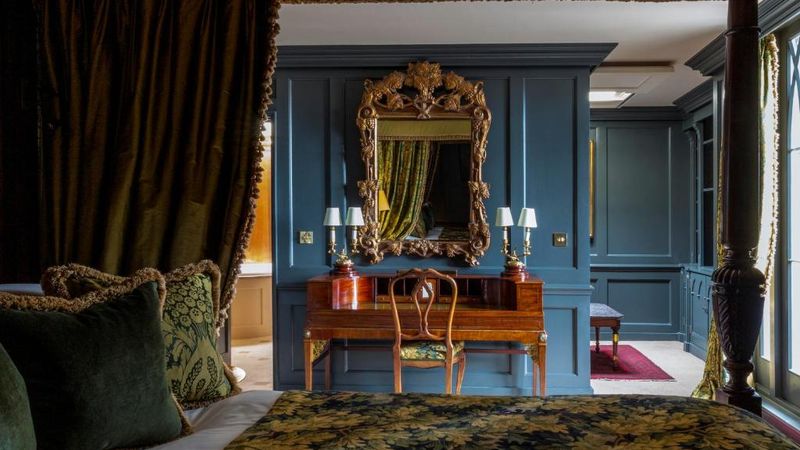
Batty Langley’s
Historic character, Spitalfields weekends and travellers who enjoy intimate lounges and an honesty-bar mood.
See rooms & latest prices →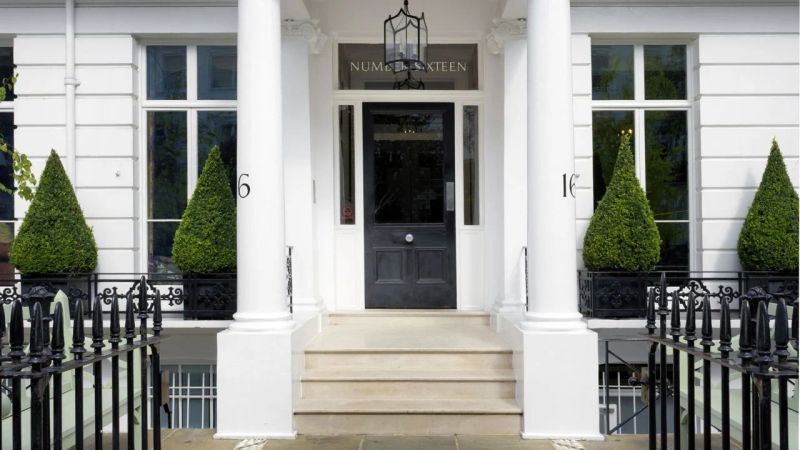
Number Sixteen
South Kensington museums, garden downtime and a quieter couples’ or solo city break.
See rooms & latest prices →Henrietta Experimental
Theatre weekends, Covent Garden dining and visitors who want central walking over neighbourhood calm.
See rooms & latest prices →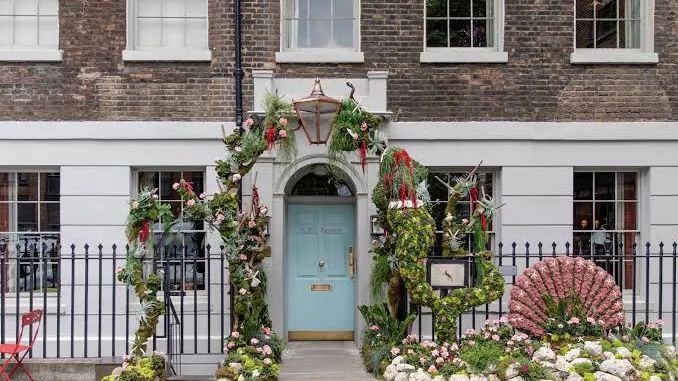
The Zetter Clerkenwell
Cocktails, Clerkenwell restaurants, Farringdon connections and short character-led stays.
See rooms & latest prices →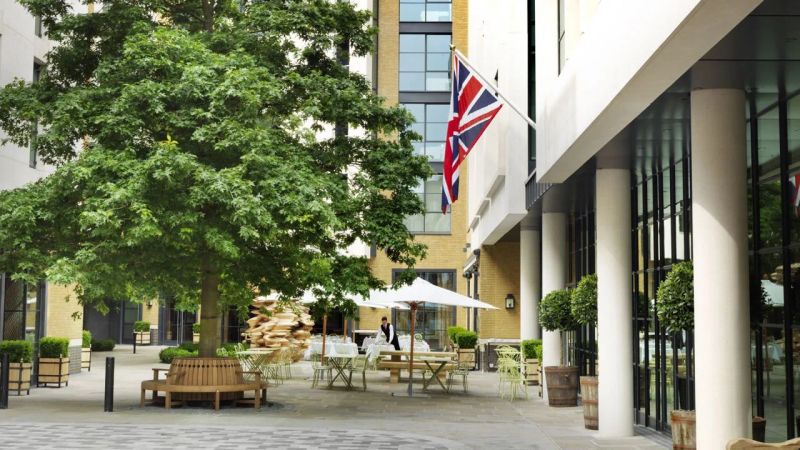
Ham Yard Hotel
A celebratory Soho stay, design lovers and travellers who want full-service facilities without anonymous décor.
See rooms & latest prices →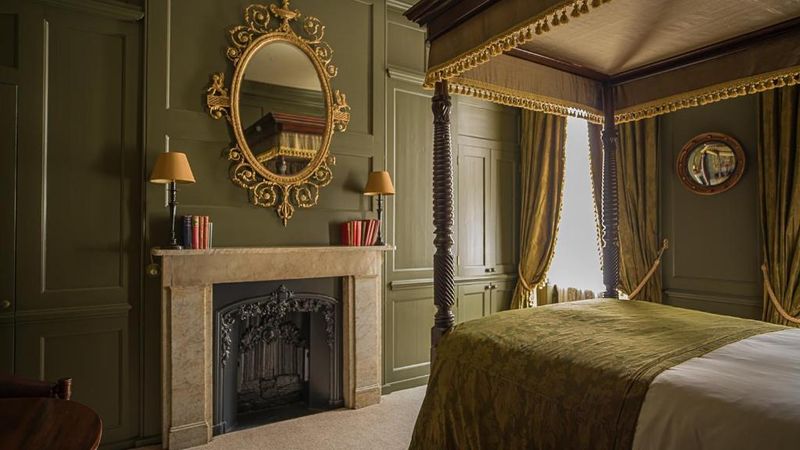
Hazlitt’s
Literary history, theatre, restaurants and travellers who want period character in central Soho.
See rooms & latest prices →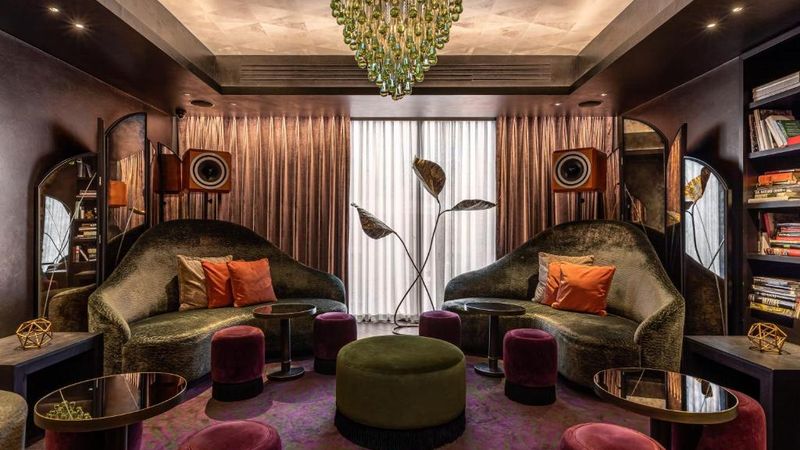
The Mandrake
Couples prioritising art, cocktails, nightlife and an experience-led West End hotel.
See rooms & latest prices →Booking links clearly labelled
Quick answer
The Laslett is our best all-round boutique hotel in London for its convincing Notting Hill identity, residential feel and useful room-size information. Artist Residence London is the smallest and most intimate; Batty Langley’s and Hazlitt’s are the strongest historic townhouses; Number Sixteen adds a quiet South Kensington garden; Henrietta Experimental is best for Covent Garden and theatre; The Zetter Clerkenwell pairs 13 rooms with a serious cocktail parlour; Ham Yard delivers design with full-service facilities; and The Mandrake is the boldest art-and-nightlife choice.
All nine hotels are editorially researched from published sources; no BestUKHotels.com stay, sound test or access inspection is recorded. This is a decision shortlist for different boutique experiences, not a claim that the first hotel suits every budget or trip.
Boutique hotels in London
Ranked by strength of identity, usefulness of location and clarity of the stay—not by size or luxury status. Check the exact room, noise exposure, access and inclusions before booking.
The Laslett
LuxuryNotting Hill, London- Best for
- Notting Hill weekends, neighbourhood atmosphere and travellers who prefer residential design to a grand lobby.
- Trade-off
- Townhouse rooms vary in size and bathroom layout
The strongest all-round boutique choice here for travellers who want the hotel to feel rooted in its neighbourhood: five listed townhouses, locally referential design and a residential atmosphere just off Notting Hill Gate.
Booking tipCompare the named room sizes rather than the photographs alone; the 16-square-metre single and 30–34-square-metre suites solve very different stays.
Artist Residence London
Upper mid-rangePimlico, London- Best for
- Couples and solo travellers who want a homely independent stay near Victoria without a corporate-hotel feel.
- Trade-off
- No lift to bedrooms across three upper floors
A genuinely small ten-bedroom townhouse where the appeal is intimacy rather than a long facility list, with a neighbourhood restaurant downstairs and useful Victoria access.
Booking tipAsk for advice on the exact room: layouts differ, there is no lift and public areas can feel livelier at weekends.
Batty Langley’s
LuxurySpitalfields, London- Best for
- Historic character, Spitalfields weekends and travellers who enjoy intimate lounges and an honesty-bar mood.
- Trade-off
- Smallest rooms are genuinely compact
A theatrical Georgian townhouse choice for travellers who want period atmosphere in Spitalfields, with richly decorated rooms and lounges rather than a conventional restaurant-and-gym hotel programme.
Booking tipUse the published room sizes: categories run from a nine-square-metre single to large suites, so the name alone does not convey the space.
Number Sixteen
LuxurySouth Kensington, London- Best for
- South Kensington museums, garden downtime and a quieter couples’ or solo city break.
- Trade-off
- Room layouts and outlooks vary
A calmer west-London boutique with 41 individually designed rooms and a rare private garden, especially persuasive for museum visits and travellers who want a townhouse base rather than Soho nightlife.
Booking tipAsk about floor, outlook and bathroom for the exact room; individually designed townhouse bedrooms are not interchangeable.
Henrietta Experimental
LuxuryCovent Garden, London- Best for
- Theatre weekends, Covent Garden dining and visitors who want central walking over neighbourhood calm.
- Trade-off
- The busiest location in this shortlist
The theatre-break pick: a 40-bedroom, design-forward hotel immediately off Covent Garden Piazza, valuable when the ability to walk home after a show matters more than retreating from the West End.
Booking tipStreet position and outlook vary; compare the 17–35-square-metre categories and request the quietest suitable room if sleep matters more than a view.
The Zetter Clerkenwell
Upper mid-rangeClerkenwell, London- Best for
- Cocktails, Clerkenwell restaurants, Farringdon connections and short character-led stays.
- Trade-off
- The lively bar is part of the identity
A 13-bedroom Clerkenwell townhouse whose cocktail parlour and eccentric interiors give it more personality than scale, well placed for Farringdon and the City without staying in either district’s business-hotel mould.
Booking tipSizes range from an 18-square-metre double to a 54.5-square-metre Residence; choose the named category, not merely the cheapest available room.
Ham Yard Hotel
LuxurySoho, London- Best for
- A celebratory Soho stay, design lovers and travellers who want full-service facilities without anonymous décor.
- Trade-off
- Ninety-one rooms make it the least intimate hotel here
The large-scale design-hotel option: 91 individually designed bedrooms plus a theatre, spa, bowling alley and roof terrace, offering a boutique visual identity with far more facilities than the townhouse picks.
Booking tipDecide whether you will use the facilities enough to justify the premium, then compare the precise room size, outlook and included breakfast.
Hazlitt’s
LuxurySoho, London- Best for
- Literary history, theatre, restaurants and travellers who want period character in central Soho.
- Trade-off
- Central Soho can be lively
A literary, Georgian Soho stay that prioritises old-house atmosphere, antiques and honesty bars over modern lifestyle-hotel spectacle, while keeping theatres and restaurants within an easy walk.
Booking tipPublished average sizes range from 15 to 33 square metres before suites; choose the category carefully and ask for the quietest suitable room.
The Mandrake
LuxuryFitzrovia, London- Best for
- Couples prioritising art, cocktails, nightlife and an experience-led West End hotel.
- Trade-off
- Nightlife and events can conflict with quiet-stay expectations
The most theatrical, adult-focused stay in the shortlist, combining 33 bedrooms with immersive art, late-night bars, a planted terrace and spiritual-wellbeing programming near Soho and Oxford Street.
Booking tipCheck the event calendar, bar hours and room position before paying; the reasons to choose The Mandrake are also potential noise trade-offs.
Choose by the stay you want
If you want the strongest neighbourhood-led all-rounder
Start with The Laslett: five listed townhouses, locally referential design and Notting Hill Gate close by make the place and the area feel connected.
If you want the smallest, most intimate hotel
Artist Residence London has only ten bedrooms and a homely Pimlico mood; accept the no-lift trade-off and ask which room fits you best.
If you want immersive Georgian character in east London
Choose Batty Langley’s for richly layered historic interiors and Spitalfields, after comparing its very different room sizes.
If you want a quiet garden near major museums
Number Sixteen gives you South Kensington, a private garden and an Orangery rather than Soho’s late-night energy.
If you want to walk home after a West End show
Henrietta Experimental is immediately off Covent Garden Piazza; request the quietest suitable room if the location is more important than nightlife.
If you want cocktails and a genuinely small Clerkenwell stay
The 13-room Zetter Clerkenwell is the clearest match, with Farringdon nearby and the Parlour central to the experience.
If you want boutique design plus a spa, theatre and bowling alley
Ham Yard is the full-service option; it is much larger, but the individual design and breadth of facilities are the point.
If you want literary old-London atmosphere in Soho
Hazlitt’s pairs Georgian rooms and honesty bars with a Frith Street address; confirm stairs and request a quieter room.
If you want art, late nights and an immersive adult mood
The Mandrake is the boldest choice; check its event calendar and room position because energy and potential noise arrive together.
What makes a London hotel genuinely boutique?
“Boutique” is useful only when it predicts a different stay. Room count alone is not enough, and neither is a fashionable lobby. We looked for a clear point of view: a small townhouse with personal service, a convincing relationship with its neighbourhood, an unusually coherent design, or facilities that express the hotel’s personality.
That produces a broad shortlist. Artist Residence London has ten bedrooms; The Zetter Clerkenwell has 13; Ham Yard has 91. The small hotels offer intimacy, but the larger one can support a spa, theatre and bowling alley. The question is not which interpretation is purest. It is which difference improves your trip.
Quick comparison
| Hotel | Scale or clearest identity | Best reason to choose it | Check before paying |
|---|---|---|---|
| The Laslett | 50 rooms across five townhouses | Notting Hill identity and residential feel | Exact room size and bathroom |
| Artist Residence London | 10-bedroom townhouse | Intimacy near Victoria | No lift; room position; evening activity |
| Batty Langley’s | Immersive Georgian interiors | Historic Spitalfields atmosphere | Room size, stairs and terrace details |
| Number Sixteen | 41 rooms with garden | Quiet South Kensington base | Floor, outlook and exact bathroom |
| Henrietta Experimental | 40 design-led rooms | Covent Garden and theatre walking | Street exposure and room size |
| The Zetter Clerkenwell | 13 rooms and cocktail parlour | Clerkenwell food, drink and Farringdon | Bar energy and category size |
| Ham Yard Hotel | 91 individually designed rooms | Spa, theatre, roof and bowling alley | Whether facilities justify the premium |
| Hazlitt’s | Georgian Soho townhouse | Literary atmosphere and central walking | Noise request, stairs and category |
| The Mandrake | 33-room art-and-nightlife hotel | Immersive adult experience | Event calendar and room position |
Choose character that changes the trip
Design photographs can make every boutique hotel look distinctive. Translate the visual promise into something you will actually use.
- Neighbourhood life: The Laslett is the strongest example because the local references, address and surrounding Notting Hill plans reinforce one another.
- Small-hotel intimacy: Artist Residence and The Zetter have so few rooms that the scale itself changes the atmosphere.
- Historic immersion: Batty Langley’s and Hazlitt’s make the townhouse history part of the stay, with the irregularity that old buildings bring.
- A private outdoor pause: Number Sixteen’s garden gives it a practical advantage after museums or a busy day.
- A hotel as entertainment: Ham Yard and The Mandrake ask you to spend time inside, but in very different ways—one through broad facilities, the other through art, bars and events.
If none of those differences matters, a well-run conventional hotel may give you a larger room, broader loyalty benefits or a lower total price. Boutique is not automatically better; it is a trade of standardisation for character.
Best areas for a boutique stay
Notting Hill and South Kensington
Choose west London for attractive residential streets, parks and museums. The Laslett is moments from Notting Hill Gate and is best when Portobello Road, Kensington Palace and Hyde Park are part of the plan. Number Sixteen is better for the Natural History, Science and V&A museums and for travellers who value its garden.
The compromise is the evening journey. If most dinners and shows are in Soho or Covent Garden, calculate the return trip rather than assuming every central postcode is walkable.
Pimlico and Victoria
Artist Residence offers a quieter, more domestic atmosphere with useful rail and coach access at Victoria. It suits a couple who wants a tiny hotel and does not mind stairs. It is less compelling for someone seeking late-night public spaces, a gym or a spa.
Covent Garden, Soho and Fitzrovia
These are the walk-home-after-theatre choices. Henrietta Experimental is closest to Covent Garden’s performance and dining cluster. Ham Yard brings the broadest facilities near Piccadilly Circus. Hazlitt’s supplies Georgian Soho atmosphere, while The Mandrake leans into Fitzrovia’s overlap with Soho nightlife.
Convenience and noise are linked. Ask where the room faces, what is beneath it, when bars close and whether a quieter category can be confirmed—not merely requested.
If the British Museum is the anchor of the trip, compare the smaller Gower Street options in our Bloomsbury and British Museum hotel shortlist. It places the townhouse format alongside larger square-side alternatives and flags the room and access questions to check.
Spitalfields and Clerkenwell
Batty Langley’s gives you markets, east-London restaurants and Liverpool Street connections in a historic setting. The Zetter Clerkenwell works better for Farringdon, Smithfield and a cocktail-centred evening. Both feel more neighbourhood-specific than a generic City business hotel, but neither is the shortest base for every West End plan.
Small townhouse or full-service design hotel?
A ten- or 13-room hotel usually cannot offer the same 24-hour facility set as a 91-room property. That is not a flaw if you want staff recognition, intimate lounges and a sense of staying in a house. It is a real limitation if you expect a gym, spa, multiple restaurants or extensive room service.
At the small end, inspect the basics closely: reception hours, breakfast format, lift, luggage help, air-conditioning and what happens after the bar or restaurant closes. At the larger end, ask whether the headline facilities are included, open on your dates and realistically available. A bowling alley or roof terrace has little value if it is reserved for a private event.
Read the room category, not the mood board
Historic and individually designed hotels produce substantial variation. Batty Langley’s publishes rooms from nine square metres; Hazlitt’s lists average sizes from 15 square metres before its suites; The Laslett spans a 16-square-metre single to 30–34-square-metre suites. Those numbers are more useful than adjectives such as cosy or deluxe.
Before booking, record:
- Usable floor area. Confirm whether a published number is exact, an average or a category range.
- Bed and bathroom. Ask about bed width, shower versus bath, steps inside the room and privacy.
- Floor and lift. A lift may not reach every level in a converted townhouse; Artist Residence says plainly that it has no lift.
- Outlook and noise. Street, courtyard, bar, lift and service-area rooms create different nights.
- Air-conditioning. Do not assume a historic building has it, or that every system operates year-round.
Booking checklist for London boutique hotels
- Compare the total price. Include VAT and every mandatory charge, breakfast, service or facility fees and anything payable at the hotel.
- Save the exact cancellation deadline. Record local date and time, prepayment, and whether a special offer changes the standard policy.
- Confirm the individual room. Keep written answers about floor, outlook, bed, bathroom, lift route and any connecting arrangement.
- Check food and drink. “Restaurant and bar” does not tell you breakfast inclusion, resident priority, closure days or late-night noise.
- Check private events. Roof terraces, lounges and small dining rooms are more vulnerable to event closures than large public areas.
- Verify access end to end. Ask about pavement, threshold, reception, lift, bedroom, bathroom, breakfast and emergency evacuation.
- Map the repeated journey. Use the trip you will make after dinner or theatre, not the one attraction closest to the hotel.
Getting around without losing the neighbourhood benefit
All nine hotels are in areas where a car is usually more burden than benefit. Use Transport for London’s Journey Planner for the exact dates and select the relevant step-free option where needed. Recheck shortly before travel because engineering work and lift availability can change the sensible route.
Try to keep one part of each day near the hotel. A Notting Hill stay makes more sense when you allow time for Portobello Road or Hyde Park; a Clerkenwell stay becomes more rewarding when dinner is nearby; a Soho hotel earns its premium when you can walk back after a show. That is how boutique location becomes an experience rather than merely an address.
Where to stay
Where to stay in London
Compare eight practical London bases by atmosphere, sights, transport, nightlife, price position and trade-offs, with hotel examples for each area.
Curated guide
Best Family Hotels in London
Family-friendly hotels in London compared by rooms and suites, connecting rooms, pools, kitchens and location, from budget to luxury. Check latest prices.
Curated guide
Best Luxury Hotels in London
Compare nine researched London luxury hotels by service style, location, rooms, views, spa facilities and the booking checks that protect a special stay.
Station guide
Best Hotels Near Victoria Station (Walk to Buckingham Palace)
Compare hotels near Victoria Station for the Gatwick Express, coaches and walks to Buckingham Palace and Westminster. Stay close to sights; check prices.
Quick answers
Common questions about boutique hotels in London
Straight answers for comparing character, neighbourhood, scale and practical trade-offs.
What does boutique hotel mean in London?
There is no single protected London definition. For this guide, boutique means a hotel with a recognisable identity expressed through design, history, neighbourhood, scale or service. Small size helps but is not compulsory: Ham Yard is much larger than Artist Residence, yet its individually designed rooms and coherent creative direction distinguish it from a standard chain stay.
Which is the best small boutique hotel in London?
Artist Residence London is the smallest in this shortlist at ten bedrooms; The Zetter Clerkenwell has 13. Choose Artist Residence for a homely Pimlico townhouse near Victoria, or The Zetter for Clerkenwell restaurants, Farringdon links and a cocktail-led stay.
Which boutique hotel is best for a London theatre break?
Henrietta Experimental has the clearest theatre-break position just off Covent Garden Piazza. Ham Yard, Hazlitt’s and The Mandrake also make many West End venues walkable. Check the theatre, finish time and late route before paying; “West End” covers a wider area than it first appears.
Where should couples stay for a romantic boutique weekend?
The Laslett suits a neighbourhood weekend around Notting Hill; Number Sixteen adds a private garden; Batty Langley’s and Hazlitt’s provide historic atmosphere; The Mandrake is the most sensual and nightlife-focused. Romance here is a choice between calm, history and energy rather than a universal hotel ranking.
Are London boutique hotels always expensive?
No, but this shortlist leans upper-mid-range and luxury because distinctive central properties often carry a premium. Compare the total payable price, breakfast, cancellation terms and room size. A compact boutique room can cost more than a larger conventional room nearby, so decide what the identity and location are worth to you.
Which London boutique hotels are quiet?
No hotel can guarantee silence in every room. Number Sixteen and The Laslett have calmer neighbourhood cases than the Soho and Covent Garden choices, while Artist Residence says most guests find it quiet once evening service winds down. Ask for a room away from bars, lifts, service areas and the street, and keep the answer in writing.
Are historic boutique hotels accessible?
Do not infer access from the word hotel or from a lift icon alone. Artist Residence explicitly says it has no lift; other converted townhouses can involve steps, level changes or varied bathrooms. Ask for the complete route from pavement to reception, room, bathroom, breakfast and emergency exit for the exact category.
Methodology
This nine-hotel shortlist is deliberately varied rather than exhaustive. We treated “boutique” as an editorial category, not a protected rating: a hotel needed a specific identity and a persuasive reason to choose it over a conventional equivalent. We checked official room, facility, location and contact pages, recorded published sizes and meaningful constraints, and used public postcode centroids for map pins. We did not stay at or inspect these hotels, test soundproofing, audit accessibility, compare a live rate or verify every room. Events, dining, inclusions and room details can change, so the exact booking remains the final source of truth.
Site-wide method: how we review hotels · editorial policy

Editorial evidenceSources12 cited references supporting this page
Claims are paired with the publisher and access date used during editorial verification.
Five-townhouse setting, room scale, dining and Notting Hill identity
Ten-bedroom scale, restaurant and Pimlico address
Batty Langley’s room sizes and period-led accommodation
Number Sixteen room count, design, garden and South Kensington position
Henrietta bedroom count, sizes, design and location
Thirteen-room townhouse, Parlour, address and Farringdon position
Room count, individual design, facilities and Soho address
Hazlitt’s room sizes, amenities and honesty bars
The Mandrake room count, art programme, bars and spa
Independent London boutique and luxury context
Step-free route planning
UK requirements for clear total prices and mandatory charges
Providing clear and accurate information about prices: summary